






What's Happening?
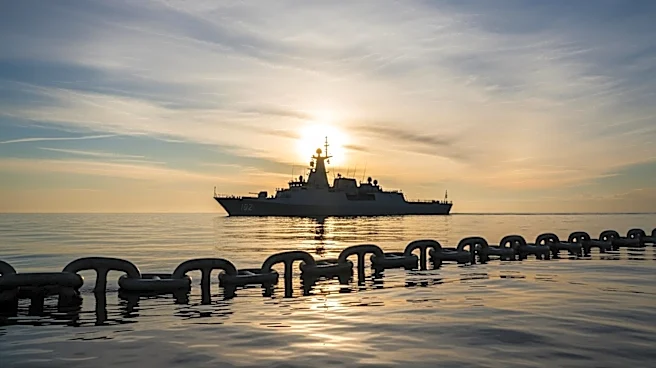
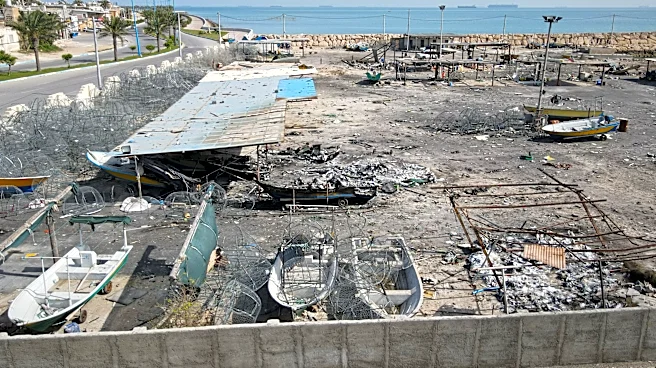
The reopening of the Strait of Hormuz has led to a significant surge in stock markets and a sharp decline in oil prices. This development follows Iran's announcement that the strategic waterway will be open to commercial shipping during a ceasefire period.
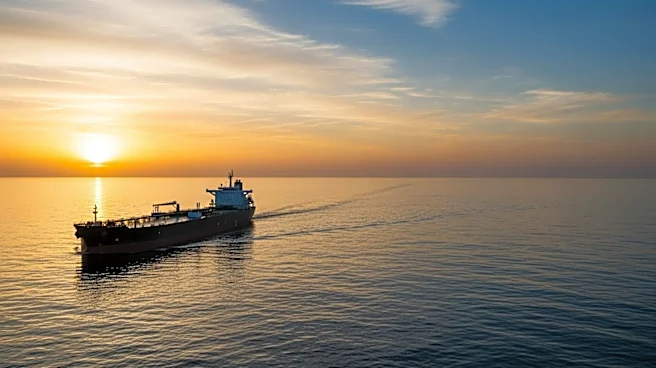
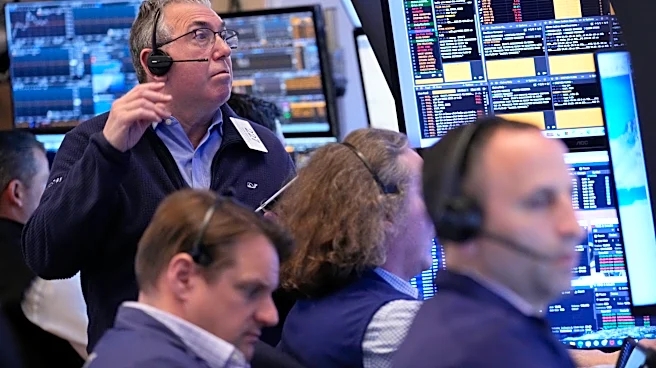
The Strait of Hormuz is a critical chokepoint for global oil transportation, and its closure had previously caused disruptions in oil supply and increased prices. The reopening has been welcomed by global markets, with Wall Street experiencing a positive reaction as investors anticipate improved stability in oil supply chains.
Why It's Important?
The reopening of the Strait of Hormuz is crucial for the global economy, particularly for the energy sector. The strait is a vital passage for oil exports from the Middle East, and its closure had heightened concerns over energy security and supply disruptions. The drop in oil prices following the reopening is likely to benefit consumers and industries reliant on oil, potentially reducing costs and inflationary pressures. Additionally, the positive response from stock markets indicates investor confidence in the stabilization of geopolitical tensions in the region, which could have broader implications for international trade and economic growth.
What's Next?
With the Strait of Hormuz open, stakeholders will be closely monitoring the situation to ensure the ceasefire holds and that shipping lanes remain unobstructed. The international community, including major oil-importing countries, will likely engage in diplomatic efforts to maintain stability in the region. Any further developments in the geopolitical landscape, particularly involving Iran and its relations with other countries, could impact future oil prices and market stability. Businesses and governments will need to remain vigilant and adaptable to any changes in the situation.