




What's Happening?
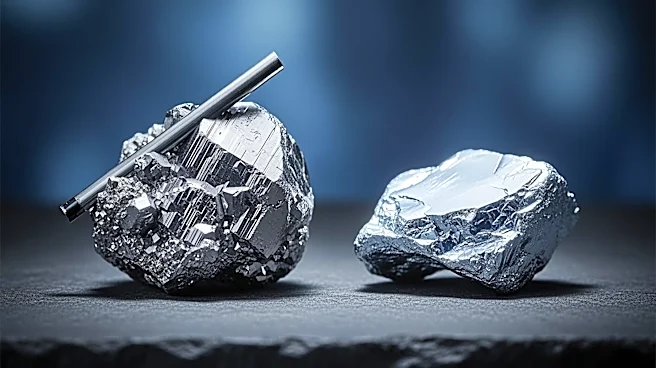
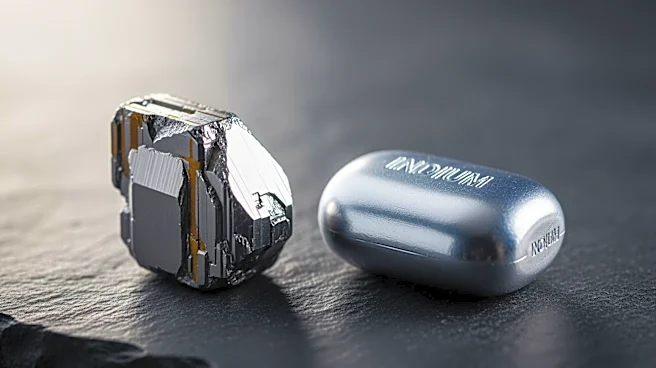
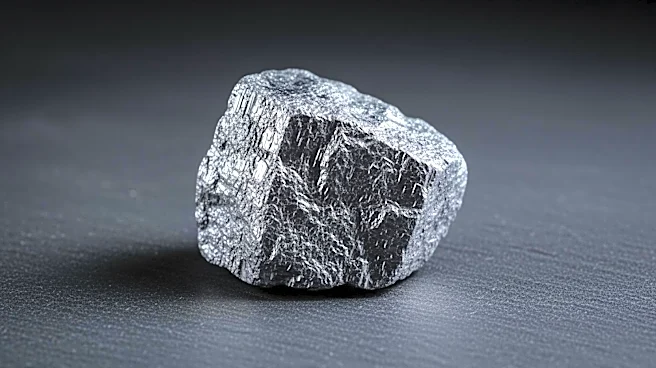
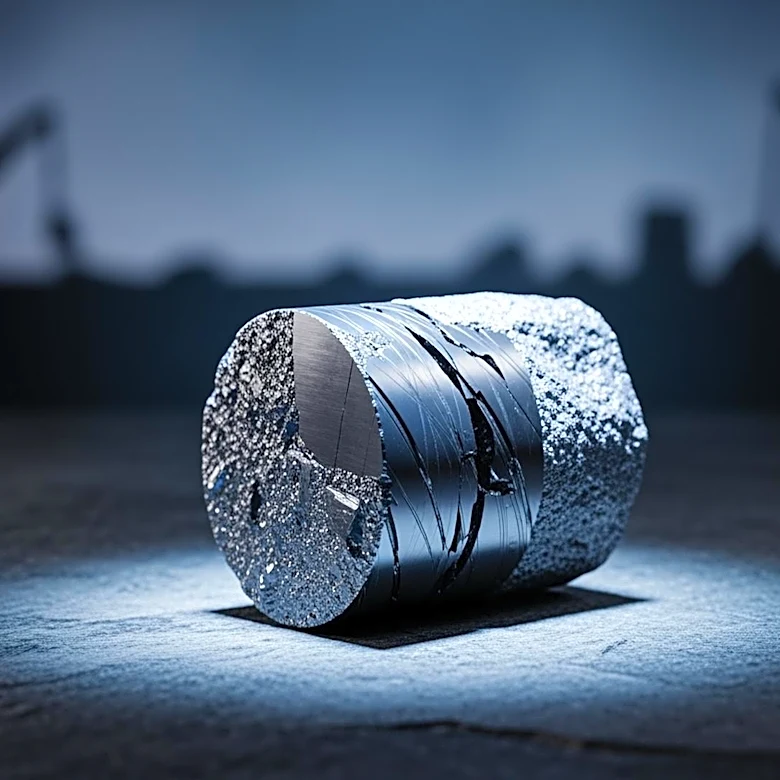
The price of ammonium paratungstate (APT), a key tungsten product, has surged by approximately 557% since China imposed export controls on tungsten products in February 2025. This price increase has pushed the European benchmark to around $2,250 per metric
ton unit by March 2026. In response, Western governments and defense contractors are urgently seeking alternative sources of tungsten outside of China, which currently dominates over 80% of global production. Companies like GoldHaven Resources Corp., Almonty Industries Inc., and American Tungsten Corp. are emerging as potential suppliers, with projects in regions like British Columbia and Nevada. The U.S. Department of Defense has also implemented restrictions on acquiring tungsten from China, Russia, Iran, and North Korea, effective January 2027.
Why It's Important?
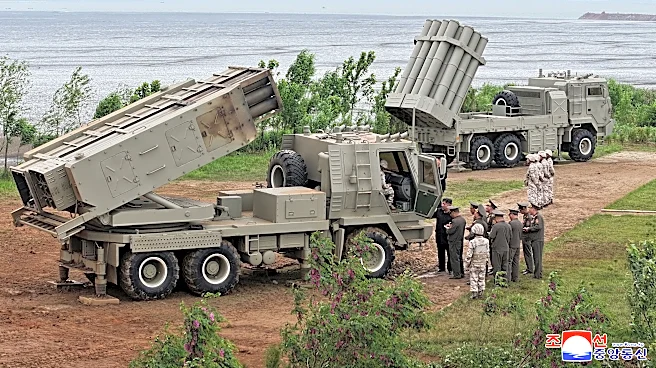
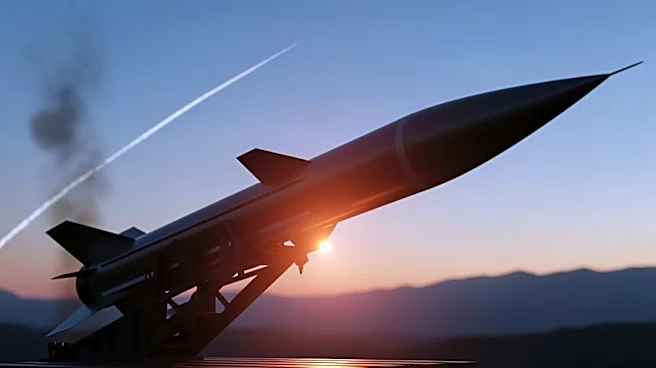
The surge in tungsten prices and the search for non-Chinese sources are critical due to tungsten's strategic importance in defense and technology sectors. The U.S. and its allies are keen to reduce dependency on China for critical minerals, which are essential for manufacturing military equipment and high-tech devices. The development of new tungsten sources in North America could enhance supply chain security and economic stability. Companies involved in these projects stand to benefit from increased investment and government support, while the broader market could see shifts in pricing and availability of tungsten-related products.
What's Next?
As the U.S. and other Western nations continue to seek alternative tungsten sources, companies with viable projects in friendly jurisdictions are likely to receive increased attention and investment. GoldHaven Resources is advancing its Magno Project in British Columbia, with plans for further exploration and drilling in 2026. The U.S. Department of Defense's restrictions on Chinese tungsten will take full effect in 2027, potentially accelerating the development of domestic and allied sources. The outcome of these efforts will significantly impact the global tungsten market and the strategic positioning of Western industries.