






What's Happening?
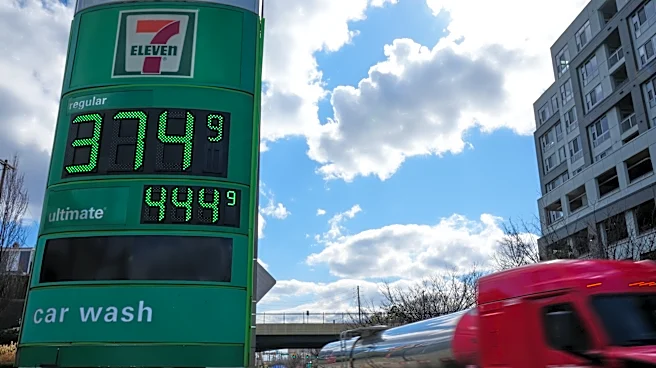
The U.S. Labor Department reported a significant increase in wholesale prices, with the producer price index rising by 0.5% from February and 4% from March 2025. This surge is attributed to the ongoing war in Iran, which has driven energy prices up by 8.5%
from February. The increase in wholesale prices is the largest in over three years, complicating the Federal Reserve's efforts to manage inflation. While core producer prices, excluding food and energy, rose modestly, the overall inflationary pressure is significant. The Federal Reserve faces pressure from President Trump to lower interest rates, but some policymakers are considering rate hikes due to the inflation threat. The International Energy Agency forecasts a decline in oil demand due to the conflict, marking the first annual decrease since the pandemic.
Why It's Important?
The rise in wholesale prices highlights the broader economic impact of geopolitical conflicts, particularly on energy markets. The Federal Reserve's challenge in balancing interest rates amid inflationary pressures could affect borrowing costs and economic growth. The situation underscores the interconnectedness of global events and domestic economic stability. The potential for increased inflation could impact consumer purchasing power and economic confidence, influencing political and economic strategies. The decline in oil demand due to the conflict may also affect global energy markets and economic forecasts.
What's Next?
The ongoing conflict in Iran and its impact on energy prices and inflation will likely continue to influence U.S. economic policy. The Federal Reserve may need to adjust its interest rate strategy in response to inflationary pressures. Diplomatic efforts to resolve the conflict could alter the economic landscape, potentially stabilizing energy prices. The U.S. government and international agencies may need to coordinate responses to mitigate economic disruptions and support affected industries and consumers.