





What's Happening?
Airlines are currently navigating the challenges posed by high oil prices and shifting demand due to the Middle East conflict. Despite these pressures, there is no significant increase in aircraft retirements. According to Dan Williams, Aviation Week
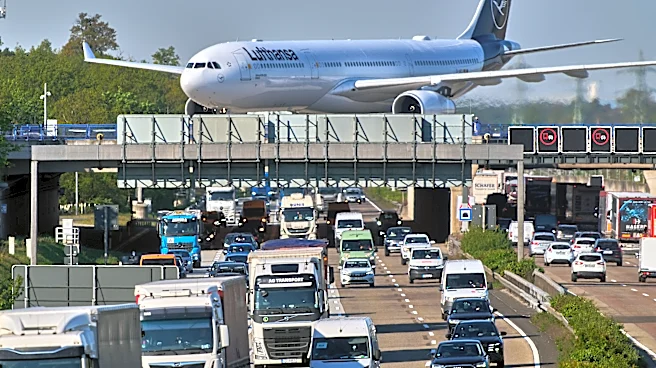
Director of Fleet Data Services, while some carriers are removing aircraft already slated for near-term retirement, such as Lufthansa's Airbus A340-600s and Boeing 747-400s, formal retirements are being delayed until demand patterns become clearer. New aircraft deliveries continue as airlines adopt more efficient models. If the conflict's impact, characterized by high oil prices and reduced demand, persists beyond the summer, older aircraft may see reduced activity. Aviation Week's Fleet and MRO Forecast anticipates retirements to rise from 600 this year to 1,200 by 2030. Industry feedback suggests measured reductions in capacity rather than significant declines, with GE Aerospace adjusting its full-year departures guidance and Alaska Air Group cutting planned capacity by 1% this quarter.
Why It's Important?
The current situation highlights the resilience of the airline industry in the face of economic pressures such as high fuel costs. Airlines are strategically managing their fleets to maintain operational efficiency without resorting to widespread retirements. This approach allows them to remain flexible and ready for a potential rebound in demand once fuel prices stabilize. The decision to delay retirements and continue with new aircraft deliveries reflects confidence in the long-term growth of the industry. For stakeholders, including aircraft manufacturers and maintenance providers, this means continued demand for new aircraft and services, albeit with cautious adjustments in the short term. The industry's ability to adapt to economic fluctuations is crucial for maintaining stability and ensuring future growth.
What's Next?
As airlines continue to monitor the situation, they may further adjust their strategies based on fuel price trends and demand recovery. If high oil prices persist, airlines might reduce the utilization of older aircraft and focus on integrating more fuel-efficient models. Stakeholders will be watching for any shifts in airline capacity plans and potential impacts on the aftermarket demand. The industry's response to these challenges will likely influence future fleet management strategies and investment decisions. Airlines may also explore alternative fuel options and efficiency improvements to mitigate the impact of volatile oil prices.