





What's Happening?
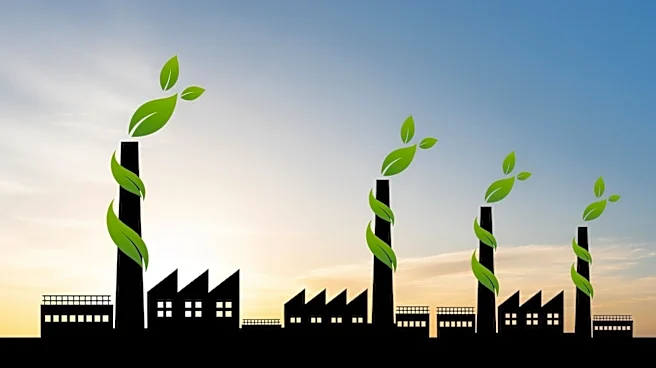
Henkel has reached a significant milestone in its sustainability efforts by achieving carbon-neutral production at its manufacturing sites in Kurkumbh, India, and Gebkim, Türkiye. This achievement is part of Henkel's broader strategy to decarbonize its operations
by 2030. The company has eliminated Scope 1 and Scope 2 emissions at these sites through a combination of electrification, renewable energy adoption, and the elimination of fossil fuels. In India, Henkel replaced fossil fuel-powered systems with high-efficiency electric heating, while in Türkiye, a natural gas-fired boiler was replaced with an electric boiler, significantly reducing CO2 emissions.
Why It's Important?
Henkel's transition to carbon-neutral manufacturing is a critical step in reducing industrial greenhouse gas emissions, setting a precedent for other companies in the sector. By demonstrating that sustainability initiatives can align with business goals, Henkel is contributing to global efforts to combat climate change. The company's approach highlights the potential for industrial operations to become more environmentally responsible without compromising productivity or safety. This move not only supports Henkel's net-zero ambitions but also serves as a scalable model for other manufacturers aiming to reduce their carbon footprint.
What's Next?
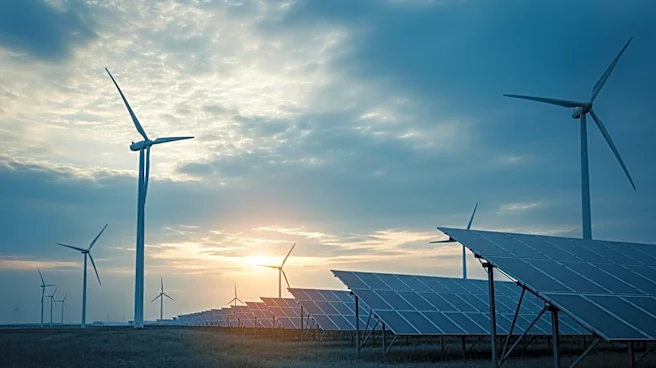
Henkel plans to expand its electrification projects and increase the use of renewable energy across its global production network. The success of the Kurkumbh and Gebkim sites will likely inform future sustainability initiatives, as the company continues to work towards its 2030 decarbonization goals. Henkel's efforts may encourage other manufacturers to adopt similar strategies, potentially accelerating the transition to sustainable industrial practices worldwide.