



What's Happening?
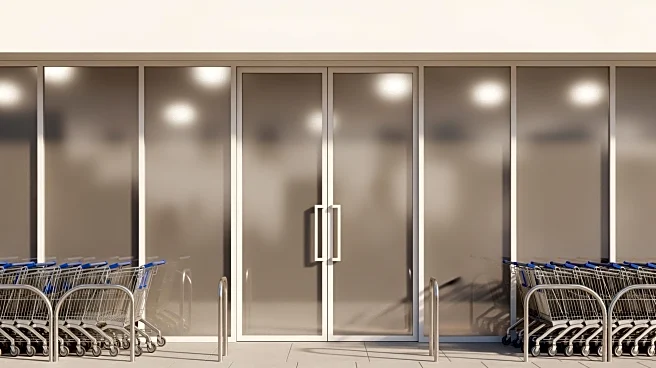
The Works, a value retailer, has decided to shut down its ecommerce operations to concentrate on its physical store presence. This strategic move aims to simplify the business model and enhance profitability by focusing on the more successful bricks-and-mortar
channel. Chief Executive Gavin Peck stated that the decision would reduce complexity and support long-term profitable growth. Since the launch of ecommerce in 2012, over 90% of The Works' sales have been generated from its physical stores, highlighting the importance of its high street presence. The exit from online sales is expected to improve profitability, with the company upgrading its medium-term financial outlook. The Works plans to open additional stores and invest in its physical footprint, aligning with its strategy to become a destination for affordable, screen-free activities.
Why It's Important?
The decision to exit ecommerce reflects a broader trend among retailers reassessing the viability of online sales versus physical stores. For The Works, the move is expected to enhance profitability by eliminating ecommerce losses and focusing on its more lucrative physical store operations. This shift could influence other retailers facing similar challenges with online sales, prompting them to reconsider their strategies. The Works' focus on screen-free activities also taps into a growing consumer demand for offline experiences, potentially setting a precedent for other businesses in the sector. The financial outlook improvements and store expansion plans indicate confidence in the physical retail model, which could impact investor perceptions and market dynamics.
What's Next?
The Works plans to open a net five new stores in FY26 and a further ten in FY27, continuing to invest in its physical presence. The company expects to incur around £2 million in exceptional costs related to the ecommerce closure, with a small negative impact on cash flow in FY26, anticipated to be neutral by FY27. Over the longer term, the move is expected to be cash flow positive. The retailer aims to achieve medium-term EBITDA of at least £22.5 million by 2030, reflecting improvements in its core business and simplified operating model. The focus on physical stores aligns with its strategy to strengthen its position as a destination for affordable, screen-free activities.