



What's Happening?
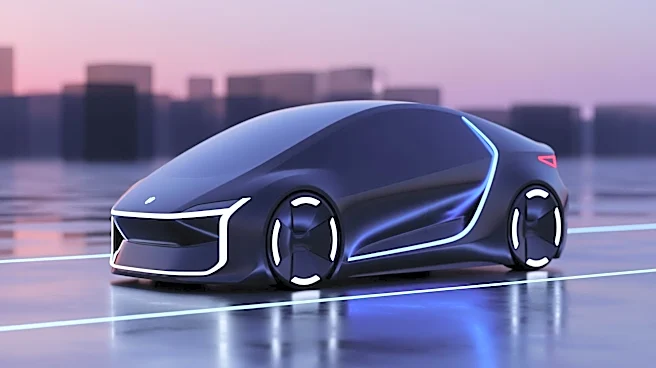
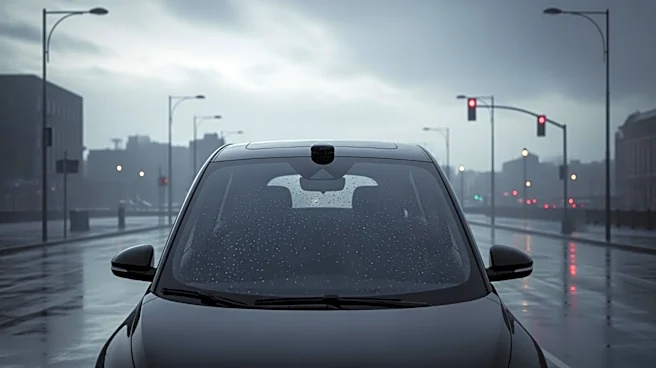
Pony.ai, a Chinese autonomous driving company, is continuing its expansion into more cities despite a national safety review following a robotaxi outage involving Baidu's Apollo Go. The review, which focuses on the safe operation of autonomous driving systems,
did not impact Pony.ai's business operations, according to CEO James Peng. The company plans to increase its robotaxi fleet to 3,500 vehicles by the end of the year, up from the current 1,700, surpassing its previous target of 3,000. Pony.ai reported a significant increase in revenue from its robotaxi services, with a fivefold rise to $8.6 million in the first quarter, contributing to a total revenue increase of 145% year-over-year to $34.3 million.
Why It's Important?
The expansion of Pony.ai's robotaxi fleet highlights the growing competition in the autonomous vehicle industry, particularly in China, where companies like Baidu and WeRide are also major players. This growth is significant as it reflects the increasing demand and acceptance of autonomous driving technology, despite regulatory challenges. The company's ability to continue expanding amidst a safety review suggests confidence in its technology and operational safety standards. This development could influence the global autonomous vehicle market, as Pony.ai and its competitors seek to establish a presence in key international markets, potentially impacting transportation infrastructure and urban mobility solutions.
What's Next?
Pony.ai's expansion plans include increasing its fleet size and exploring international markets, such as the UK, where competition among autonomous vehicle companies is intensifying. The company aims to exceed its previous revenue forecasts, indicating a strong growth trajectory. As Pony.ai and other companies continue to deploy autonomous vehicles, regulatory bodies may need to adapt and develop new frameworks to ensure safety and integration into existing transportation systems. The outcome of these expansions and regulatory adaptations could set precedents for the future of autonomous driving technology worldwide.