




What's Happening?
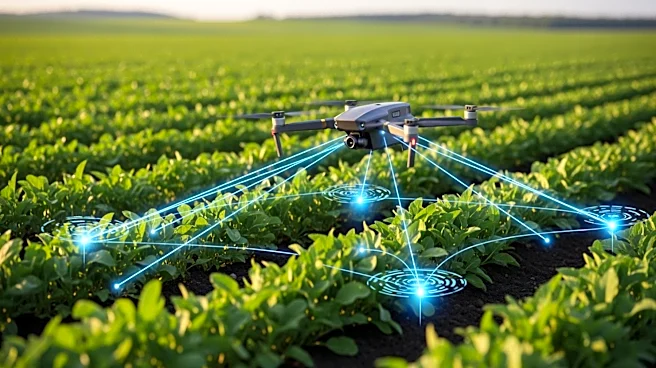
The low-carbon agriculture market is expected to grow significantly, reaching $1.97 billion by 2033. This growth is driven by sustainable farming practices, carbon reduction initiatives, and advancements in precision agriculture. The market integrates
techniques like precision farming, regenerative practices, and carbon sequestration to minimize environmental impact while maintaining productivity. Major players such as Yara International, Bayer AG, and Syngenta are developing solutions to reduce greenhouse gas emissions and improve resource efficiency. Government initiatives, carbon credit programs, and the demand for eco-friendly food products are accelerating market expansion.
Why It's Important?
The expansion of the low-carbon agriculture market reflects a global shift towards sustainable farming practices. As climate change concerns grow, reducing agriculture's carbon footprint becomes crucial. This market's growth supports efforts to mitigate environmental impact and promote climate-resilient agriculture. Companies investing in low-carbon solutions are likely to benefit from increased demand for sustainable products, positioning themselves as leaders in the agri-tech industry. The adoption of precision agriculture and regenerative practices can enhance productivity and sustainability, offering economic and environmental benefits.