



What's Happening?
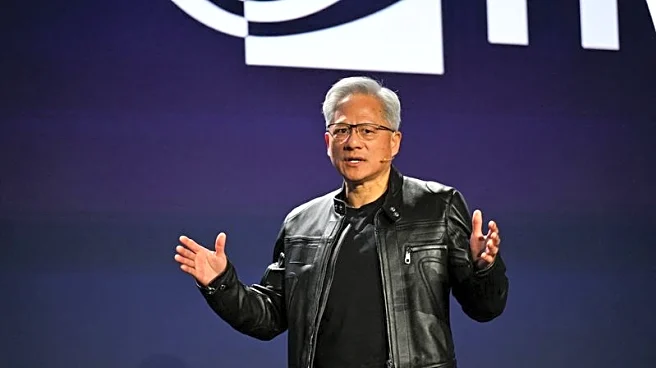
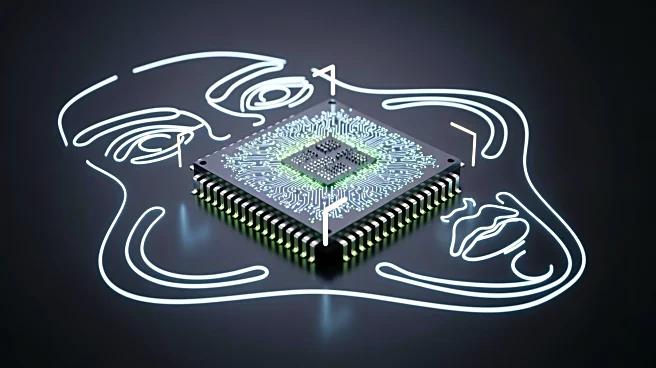
Nvidia has developed an always-on computer vision system capable of detecting human faces in less than a millisecond. This system, presented by Nvidia electrical engineer Ben Keller at the IEEE International Solid State Circuits Conference, is designed
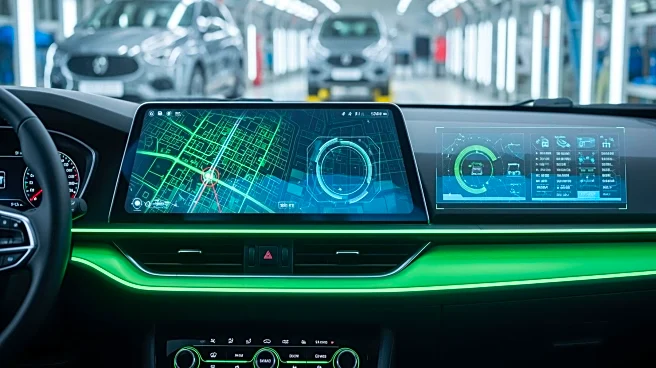
to be integrated into devices such as laptops, autonomous vehicles, and robotics. The chip, known as the 'Always-on Low-Power Accelerator' or Alpha-Vision, uses a deep neural network to recognize faces with about 99 percent accuracy. It operates with a power consumption of less than 5 milliwatts, significantly lower than the typical 10 watts required for continuous face detection systems. The system achieves this efficiency by storing all necessary data locally and employing a 'race to sleep' strategy, where it quickly completes its tasks and enters a low-power state.
Why It's Important?
The development of Nvidia's face detection chip represents a significant advancement in energy-efficient technology, particularly for devices that require continuous operation. By reducing power consumption, this technology can extend the battery life of consumer electronics and improve the efficiency of autonomous systems. This innovation is particularly relevant for industries focusing on sustainable technology solutions and could lead to broader adoption of always-on vision systems in various applications. The ability to integrate such efficient systems into everyday devices could enhance user experience by providing seamless interactions without the need for manual input, such as typing passwords.
What's Next?
Nvidia's new chip could pave the way for more widespread use of biometric authentication in consumer electronics and autonomous systems. As the technology is adopted, it may lead to further innovations in energy-efficient computing and potentially influence the design of future devices. Stakeholders in the tech industry, including manufacturers of laptops, drones, and autonomous vehicles, may explore integrating this technology to enhance their products' capabilities. Additionally, the focus on reducing power consumption aligns with global efforts to create more sustainable and environmentally friendly technology solutions.