
What's Happening?
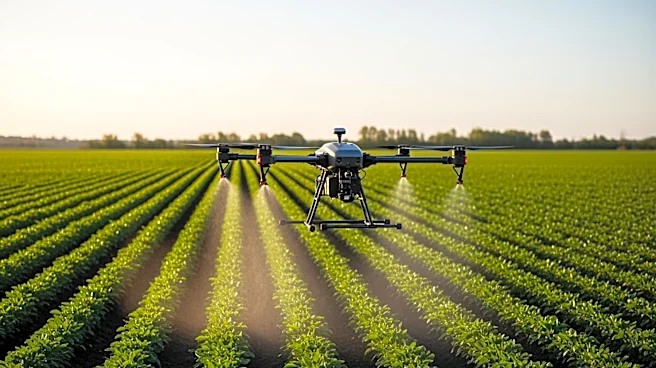
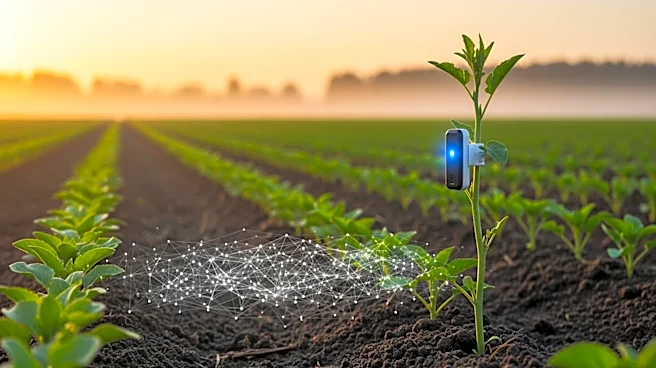
The integration of Internet of Things (IoT) technology in agriculture has seen significant growth, transforming traditional farming into smart farming. This development is characterized by the use of sensors
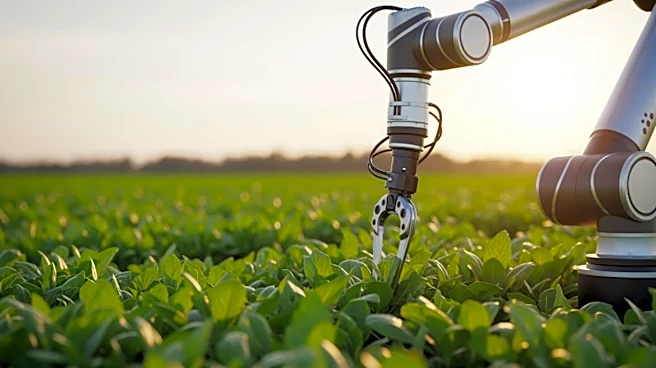
that provide real-time data on environmental factors such as temperature, soil moisture, and nutrient levels. These advancements allow for precise applications of water and fertilizers, enhancing crop yields and reducing chemical usage. Automation and robotics further enable autonomous machinery to perform tasks like plowing, planting, and harvesting. However, while IoT has scaled effectively in agriculture, it faces challenges in healthcare due to the need for high security and reliable connectivity. In healthcare, IoT deployments often struggle to move beyond pilot stages because of the critical nature of patient data and the zero-tolerance for failure in medical environments.
Why It's Important?
The successful implementation of IoT in agriculture highlights its potential to revolutionize farming practices, leading to increased productivity and sustainability. This can have significant economic benefits, reducing costs and improving food security. However, the challenges faced in healthcare underscore the complexities of deploying IoT in environments where reliability and security are paramount. The inability to scale IoT in healthcare could hinder advancements in patient monitoring and care delivery, potentially impacting patient outcomes and healthcare efficiency. Understanding these sector-specific challenges is crucial for stakeholders aiming to leverage IoT technology effectively.
What's Next?
For agriculture, the continued expansion of IoT could lead to further innovations in precision farming and resource management. In healthcare, overcoming the current barriers will require advancements in secure connectivity and integration with existing systems. Stakeholders in the healthcare sector may need to invest in robust infrastructure and develop strategies to address security and operational challenges. Collaboration between technology providers and healthcare institutions could facilitate the development of IoT solutions that meet the stringent requirements of medical environments.
Beyond the Headlines
The disparity in IoT adoption between agriculture and healthcare highlights broader issues related to technology deployment in critical sectors. In agriculture, the forgiving nature of the environment allows for flexibility in connectivity and data transmission, whereas healthcare demands fail-safe operations. This situation raises ethical and operational questions about the readiness of IoT technology to handle sensitive applications. The lessons learned from these sectors could inform future IoT deployments across various industries, emphasizing the need for tailored solutions that address specific environmental and operational challenges.