






What's Happening?
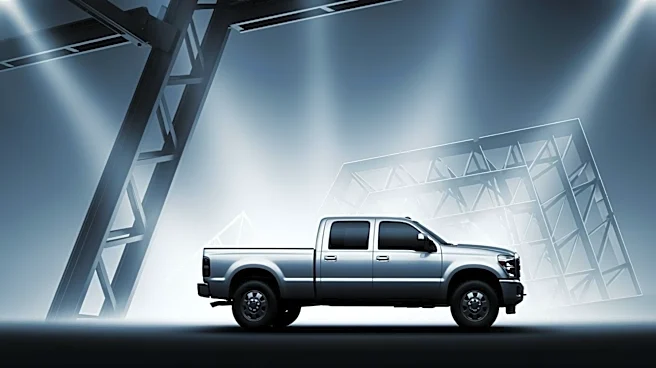
General Motors (GM) is increasing its investment in the production of heavy-duty pick-up trucks in the United States. This move comes as the demand for large SUVs and pick-ups has surged following the end of electric vehicle incentives from the Biden
administration and the easing of fuel emissions rules under President Trump. In contrast, the European Union (EU) is considering revising its regulations to restrict the import of these large US-made vehicles. Currently, these vehicles can be imported into the EU without full homologation, only needing to comply with the EU's Individual Vehicle Approval (IVA) process. This regulatory consideration by the EU highlights the differing market preferences and regulatory environments between the US and Europe.
Why It's Important?
The increased investment by GM in heavy-duty pick-ups reflects a significant shift in consumer preferences in the US, where larger vehicles are gaining popularity. This trend could have substantial implications for the US automotive industry, potentially leading to increased production and job creation in the sector. However, the EU's potential regulatory changes could pose challenges for US automakers looking to export these vehicles to Europe. If the EU tightens its import regulations, it could limit market access for US manufacturers, affecting their international sales and profitability. This situation underscores the importance of understanding and navigating international regulatory environments for US businesses.
What's Next?
If the EU proceeds with revising its import regulations, US automakers like GM may need to adapt their strategies to maintain access to the European market. This could involve modifying vehicles to meet stricter EU standards or focusing on other international markets. Additionally, the US automotive industry may continue to lobby for favorable domestic policies to support the production and sale of larger vehicles. The outcome of these regulatory discussions in the EU will be closely watched by industry stakeholders, as it could influence future investment and production decisions.