
What's Happening?
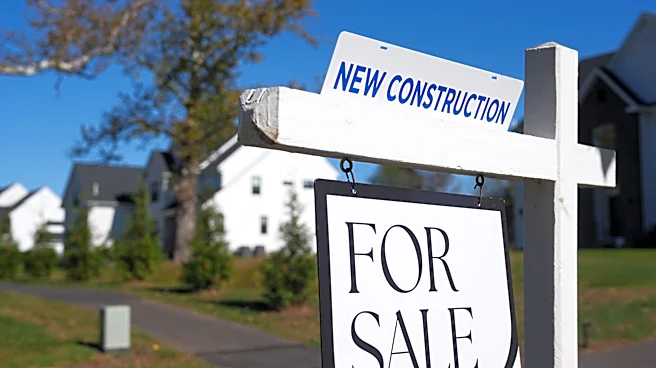
Despite an increase in home listings, a significant portion of the U.S. housing market remains inaccessible to middle-income earners. According to a report by Realtor.com and the National Association of Realtors,
only 23% of active listings are affordable for buyers earning around $75,000 annually. This is a stark contrast to a balanced market where such buyers would have access to 44% of listings. The report highlights a structural mismatch between available homes and what buyers can afford, with a shortage of 311,000 listings priced below $261,000. Even those earning $100,000 face limited options, with only 39% of listings within their reach.
Why It's Important?
The current housing market conditions underscore a critical issue of affordability, which has broader implications for economic stability and social equity. The mismatch between home prices and buyer incomes can stifle market activity, as potential buyers are unable to find affordable options. This situation not only affects individual financial security but also impacts the overall housing market recovery post-pandemic. Policymakers and industry stakeholders must address this imbalance to ensure a more inclusive and sustainable housing market, which is essential for economic growth and community development.
What's Next?
Addressing the affordability crisis requires strategic interventions from both policymakers and the real estate industry. Increasing the supply of entry-level and middle-market homes is crucial to meeting demand and facilitating market recovery. Additionally, innovative financing solutions and policy reforms could help bridge the gap between income levels and housing costs. As the market evolves, monitoring the effectiveness of these measures will be key to ensuring long-term affordability and accessibility in the housing sector.