


What's Happening?
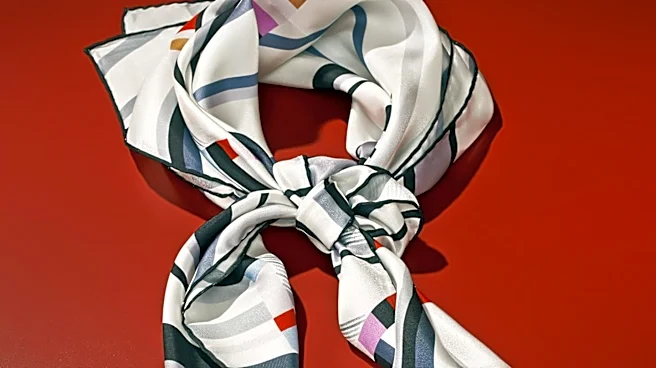
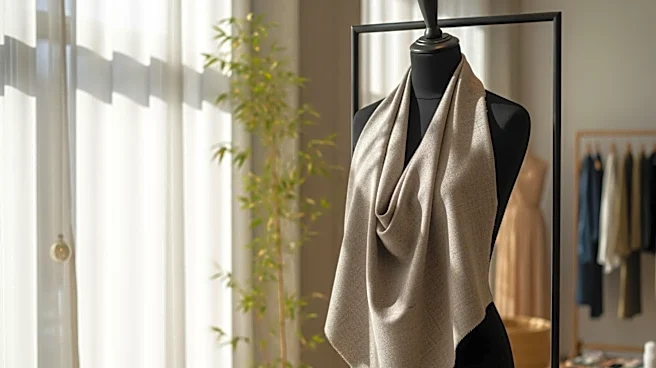
Fashion designers are bringing back nostalgic styles by transforming scarves into versatile fashion pieces for the summer of 2026. Designers such as Peter Copping at Lanvin and Michael Rider at Celine are leading this trend, using colorful printed silk
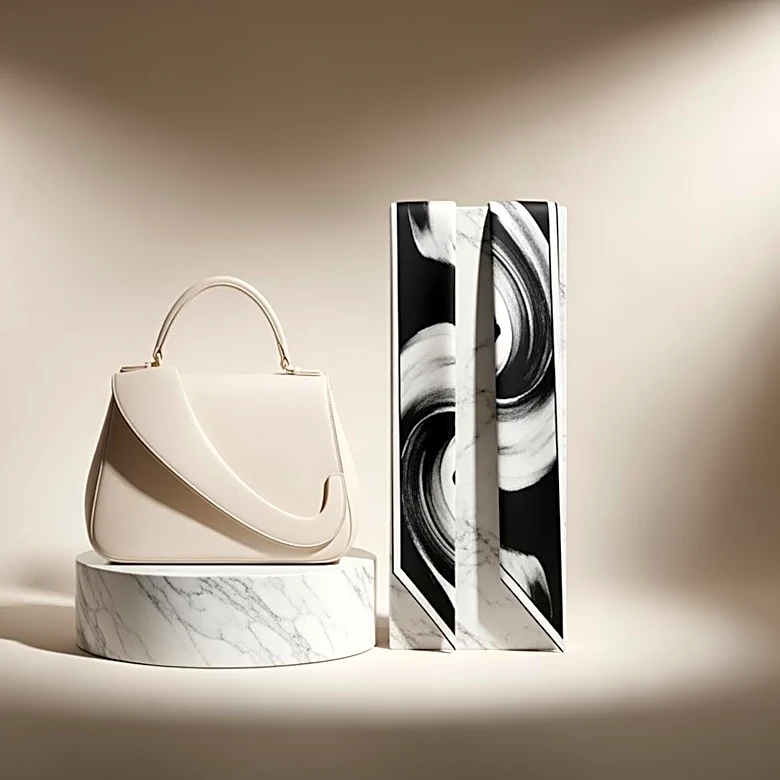
fabrics to create tops, dresses, and accessories. The scarves, reminiscent of 1950s elegance and 1970s bohemian styles, are being styled in various ways, including as head coverings, belts, and decorative accents. This trend is accessible and allows for personal experimentation, as scarves can be tied and styled in numerous ways to create unique looks. The revival of scarves as a fashion staple highlights their practicality and timeless appeal.
Why It's Important?
The resurgence of scarves in fashion signifies a broader trend towards nostalgic and versatile clothing, reflecting a shift in consumer preferences towards unique and high-quality pieces. This trend is significant for the fashion industry as it taps into the growing demand for sustainable and adaptable fashion. By reviving classic styles, designers are appealing to consumers' desire for individuality and nostalgia, which can drive sales and brand loyalty. Additionally, the trend supports the fashion industry's move towards more sustainable practices by encouraging the use of versatile pieces that can be styled in multiple ways, reducing the need for excessive consumption.
What's Next?
As the trend of using scarves in fashion continues to grow, it is likely that more designers will incorporate these versatile pieces into their collections. Fashion houses may explore new materials and patterns to keep the trend fresh and appealing. Retailers could also capitalize on this trend by offering workshops or styling sessions to help consumers experiment with different ways to wear scarves. The fashion industry might see an increase in collaborations between designers and textile manufacturers to create innovative scarf designs that cater to diverse consumer tastes.
Beyond the Headlines
The revival of scarves in fashion also highlights a cultural shift towards valuing craftsmanship and heritage in clothing. This trend may encourage consumers to appreciate the history and artistry behind fashion pieces, fostering a deeper connection with their clothing. Additionally, the emphasis on versatility and personal expression in fashion could lead to a more inclusive industry that celebrates diverse styles and identities. As consumers become more conscious of their fashion choices, the industry may see a rise in demand for ethically produced and culturally significant garments.