







What's Happening?
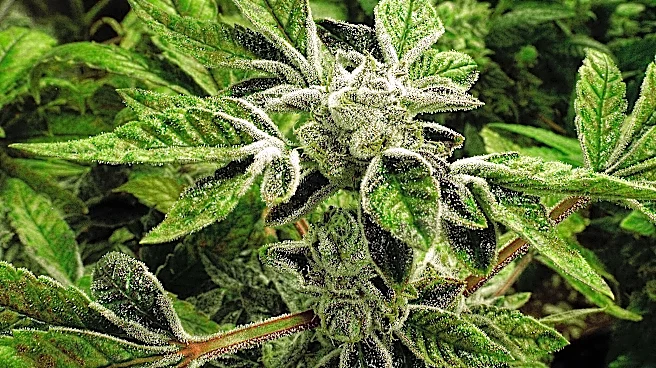
The Food and Drug Administration (FDA) has approved the first-ever human clinical trial of an ibogaine derivative in the United States. This decision marks a significant step in exploring the potential of ibogaine, a psychoactive compound derived from
the iboga shrub, as a treatment for alcohol-use disorder. The approval follows an executive order by President Trump aimed at accelerating psychedelic research and expanding access for individuals with mental health issues. The FDA has also prioritized the review of psychedelic treatments for major depressive disorder and PTSD, awarding national priority vouchers to three companies. Ibogaine has been traditionally used in religious and healing ceremonies in Central and West Africa and has shown promise in reducing opioid withdrawal symptoms and cravings in previous studies.
Why It's Important?
The FDA's decision to greenlight ibogaine trials is a pivotal moment in the field of mental health treatment, particularly for conditions like addiction and PTSD. The move could potentially lead to new, effective treatments for millions of Americans struggling with these issues. The approval also reflects a broader shift towards accepting psychedelic substances as legitimate therapeutic options, which could transform mental health care. If successful, ibogaine-based treatments could offer new hope for individuals who have not responded to traditional therapies, particularly veterans and others suffering from traumatic brain injuries. However, the drug's potential risks, including severe side effects, underscore the need for careful clinical oversight.
What's Next?
The upcoming clinical trial will focus on noribogaine hydrochloride, a derivative of ibogaine, for treating alcohol use disorder. As research progresses, the FDA and other federal agencies are expected to expand their support for psychedelic research, potentially leading to more clinical trials and eventual approval of new treatments. The outcome of these trials could influence future regulatory decisions and public acceptance of psychedelics in medicine. Stakeholders, including healthcare providers and policymakers, will be closely monitoring the trial's results to assess the viability and safety of ibogaine as a mainstream treatment option.
Beyond the Headlines
The FDA's approval of ibogaine trials highlights a growing interest in alternative mental health treatments and the potential for psychedelics to address complex psychological conditions. This development may prompt ethical and legal discussions about the use of psychoactive substances in medicine, as well as cultural shifts in how society views mental health treatment. The trial's success could pave the way for broader acceptance and integration of psychedelics into therapeutic practices, challenging existing stigmas and regulatory frameworks.