





What's Happening?
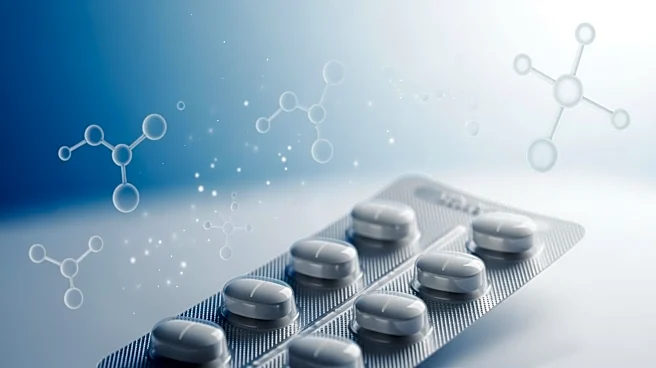
Lupin Limited, a global pharmaceutical company based in Mumbai, India, has announced that it has received approval from the United States Food and Drug Administration (FDA) for its Abbreviated New Drug Application for Dapagliflozin Tablets, available
in 5 mg and 10 mg doses. These tablets are bioequivalent to Farxiga®, a medication used for managing type 2 diabetes. The approval marks a significant step for Lupin in expanding its presence in the U.S. pharmaceutical market, particularly in the anti-diabetic segment. Lupin is known for its wide range of pharmaceutical products, including branded and generic formulations, and has a strong market presence in both India and the U.S. The company operates 15 manufacturing sites and 7 research centers globally, employing over 24,000 professionals.
Why It's Important?
The FDA's approval of Lupin's Dapagliflozin Tablets is significant as it provides an additional option for patients managing type 2 diabetes, a condition affecting millions in the U.S. This approval not only enhances Lupin's product portfolio but also intensifies competition in the diabetes medication market, potentially leading to more affordable treatment options for patients. The availability of a bioequivalent to Farxiga® could drive down costs and increase accessibility, benefiting both healthcare providers and patients. Furthermore, this development underscores the importance of generic medications in the U.S. healthcare system, which can lead to significant cost savings and improved patient outcomes.
What's Next?
Following the FDA approval, Lupin is expected to begin the distribution of Dapagliflozin Tablets in the U.S. market. The company may also focus on marketing strategies to promote the new product to healthcare providers and patients. Additionally, Lupin might explore further expansion of its product line in the U.S., leveraging its existing manufacturing and research capabilities. The approval could also prompt other pharmaceutical companies to accelerate their efforts in developing and marketing generic versions of popular medications, further increasing competition and innovation in the industry.