





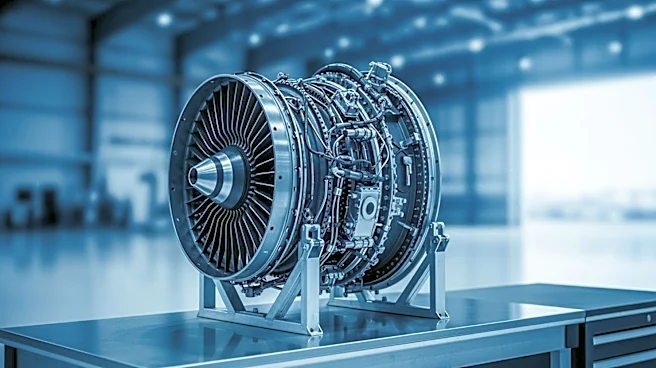


What's Happening?
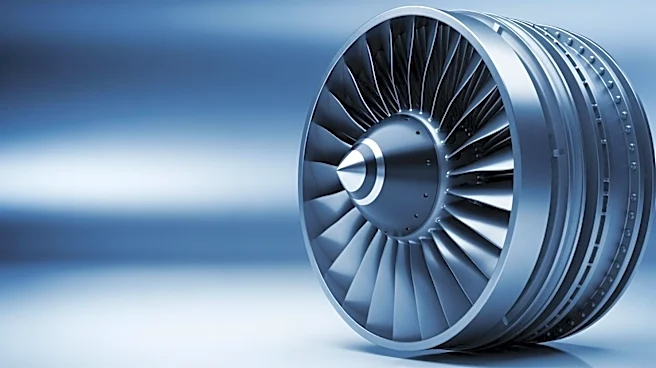
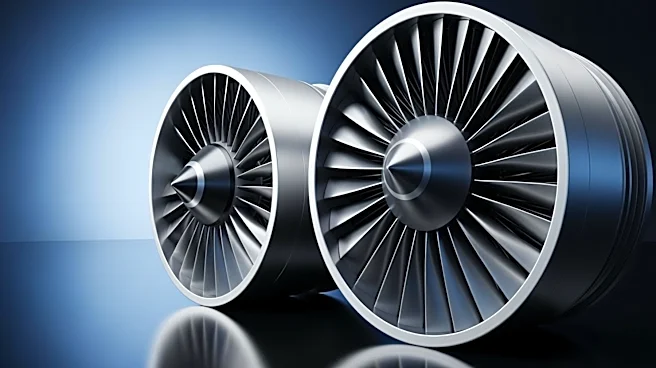
GE Aerospace has reported a significant increase in the delivery of its Leap engines during the first quarter of 2026. The company delivered 520 Leap engines, marking a 63% rise compared to the same period in 2025. This increase is attributed to improved
material supply, which has allowed GE to overcome previous production challenges such as parts and labor shortages. The Leap engines, developed in partnership with Safran under the CFM International brand, are used in Airbus A320neo-family aircraft and Boeing 737 Max jets. Additionally, GE has been rolling out a durability improvement kit for the Leap-1A engines, with 30% of in-service engines now equipped with these upgrades.
Why It's Important?
The surge in Leap engine deliveries is a positive indicator for GE Aerospace, suggesting a recovery from previous supply chain disruptions. This development is crucial for the aviation industry, as it supports the production and delivery schedules of major aircraft manufacturers like Airbus and Boeing. The durability kits being deployed also address previous concerns about engine reliability, potentially enhancing customer confidence and reducing maintenance costs. This progress could strengthen GE's competitive position against rivals like Pratt & Whitney, which is currently managing a recall of its PW1000G engines.
What's Next?
GE Aerospace aims to deliver over 2,000 Leap engines by the end of 2026, up from 1,802 in 2025. The company plans to continue the rollout of durability kits for Leap-1B engines within the year, which could further improve engine performance and customer satisfaction. As GE addresses these technical challenges, it may also focus on expanding its market share and exploring new partnerships or contracts with airlines and aircraft manufacturers.