






What's Happening?
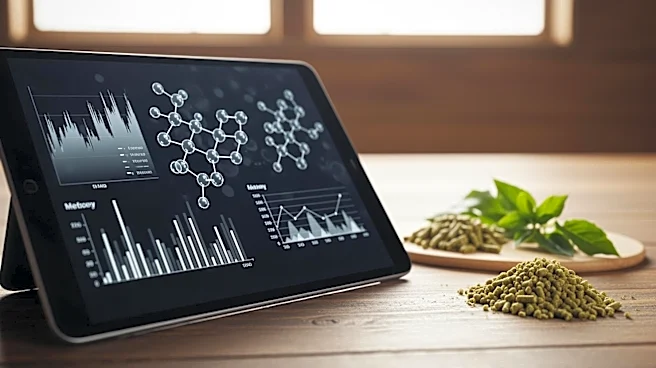
Precision nutrition is being applied to improve animal health and farm performance, addressing economic, agricultural, and climatic challenges. This approach involves tailoring nutritional strategies to individual animal needs, using modern feeding technologies
to enhance nutrient digestibility and feed efficiency. Research indicates that precision feeding can reduce crude protein intake by 25% and nitrogen excretion by 40%, while increasing farm profitability by 10%. The strategy involves integrating data-driven systems like sensors and automated feeders to dynamically adjust diets based on animal requirements. This method aims to maximize nutrient utilization, improve productivity, and minimize environmental impact.
Why It's Important?
Precision nutrition represents a significant advancement in sustainable agriculture, offering economic and environmental benefits. By optimizing feed efficiency and reducing waste, it supports farm profitability and environmental sustainability. The approach aligns with global efforts to reduce agricultural emissions and improve food security. It also highlights the role of technology in modern farming, promoting data-driven decision-making. As precision nutrition becomes more widespread, it could transform livestock management, enhancing animal welfare and product quality. This shift could influence agricultural policies and practices, encouraging innovation and sustainability in the sector.