
What's Happening?
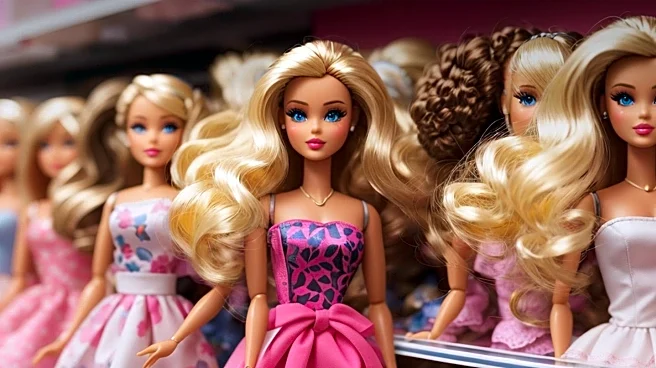
Mattel has introduced a new 'Modern Era' line of American Girl dolls, marking the 40th anniversary of the brand. This new collection features updated versions of classic characters like Kirsten Larson, Felicity Merriman, Addy Walker, and Samantha Parkington,
who now sport contemporary styles such as space buns, jeans, and gold hoops. The dolls have also been resized from their original 18-inch forms to 14.5-inch figures, with enhanced features like glossier lips and darker lashes. This redesign has sparked a mixed reaction online, with some loyal fans expressing dismay over the changes to what they consider iconic childhood figures. Mattel's global head of dolls, Jamie Cygielman, explained that while adult consumers are attached to the historical characters, younger audiences prefer modern collections, prompting the update.
Why It's Important?
The redesign of the American Girl dolls highlights a broader cultural trend towards nostalgia, particularly among millennials and Gen Z. This shift reflects a desire to connect with the past, albeit in a way that aligns with contemporary tastes and aesthetics. The reaction to the dolls' makeover underscores the tension between preserving historical authenticity and adapting to current consumer preferences. For Mattel, this move is a strategic attempt to balance the interests of long-time fans with the need to attract new, younger customers. The outcome of this strategy could influence how other brands approach the modernization of nostalgic products, impacting marketing strategies and consumer engagement in the toy industry.
What's Next?
As the new line of American Girl dolls hits the market, Mattel will likely monitor consumer feedback closely to gauge the success of the redesign. The company may consider further adjustments based on sales performance and customer reactions. Additionally, the response from collectors and fans could lead to discussions about the preservation of cultural icons and the role of nostalgia in consumer products. Other toy manufacturers might also watch this development to inform their own strategies for updating classic products.