






What's Happening?
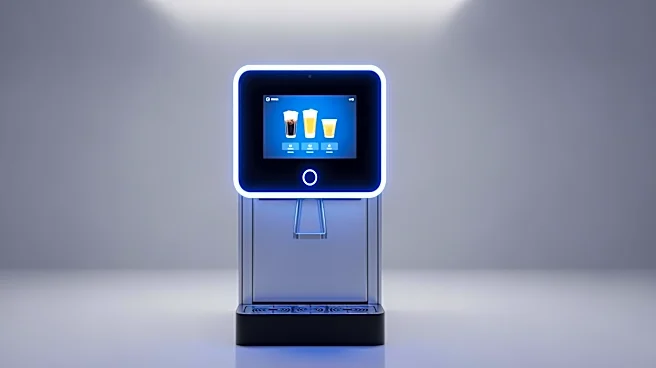
McDonald's is gradually eliminating self-serve soda fountains in its U.S. restaurants as part of a modernization effort. This transition, expected to be completed by 2032, aims to streamline operations, reduce labor and maintenance costs, and adapt to changing
consumer preferences that favor takeout, delivery, and drive-thru services over traditional dine-in experiences. The move will see beverages being prepared behind the counter, allowing McDonald's to better control beverage portions, cleanliness, and inventory. This change is part of a broader trend in the fast-food industry towards prioritizing speed, efficiency, and digital ordering. McDonald's is also expanding its menu to include new beverage options like 'dirty sodas' and refreshers, catering to evolving consumer tastes.
Why It's Important?
The shift away from self-serve soda fountains reflects a significant change in the fast-food industry, driven by evolving consumer behaviors and operational efficiencies. By moving beverage preparation behind the counter, McDonald's can reduce costs associated with maintaining self-serve machines and improve control over product quality and inventory. This change also aligns with the industry's broader focus on enhancing the customer experience through faster service and digital integration. For consumers, the loss of self-serve stations may mean less convenience in customizing drinks, but it also signals a shift towards more curated and potentially higher-quality beverage offerings. The move could influence other fast-food chains to adopt similar strategies, impacting the industry's operational standards and consumer expectations.
What's Next?
As McDonald's continues to remodel its restaurants and phase out self-serve soda fountains, the company is likely to monitor customer feedback and adjust its strategies accordingly. The introduction of new beverage options may attract a different customer demographic, potentially increasing sales in this category. Other fast-food chains may observe McDonald's approach and consider similar changes to remain competitive. Additionally, the focus on digital ordering and efficiency could lead to further innovations in how fast-food services are delivered, possibly influencing broader industry trends.