








What's Happening?
The concept of body recomposition, which involves losing fat while simultaneously gaining muscle, is gaining traction in the fitness community. This approach, often seen as the 'Holy Grail' of fitness goals, requires a strategic balance of diet and exercise.
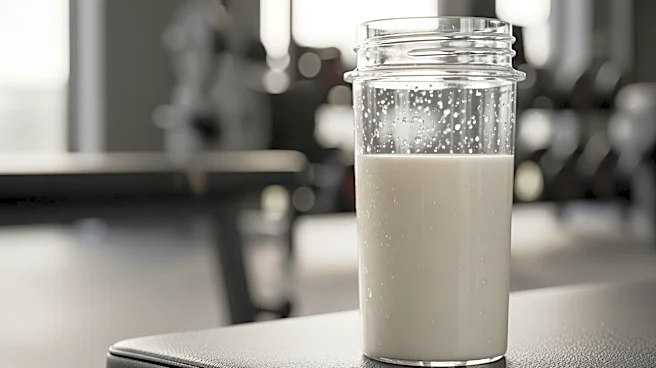
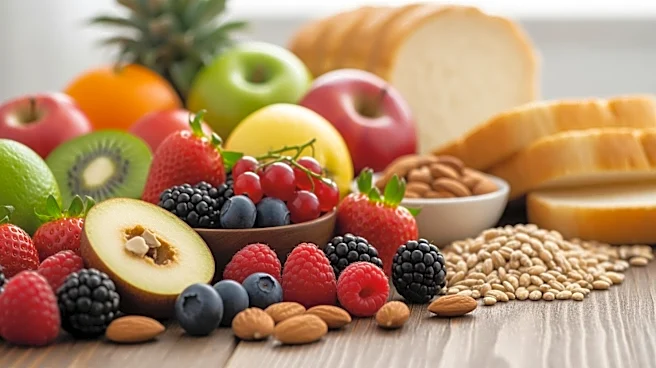
According to Dezi Abeyta, a nutrition advisor, achieving body recomposition involves maintaining a slight calorie deficit while prioritizing protein intake. The recommended protein intake is between 1.6 to 2.2 grams per kilogram of body weight. Additionally, carbohydrates are essential for fueling workouts, and fats should make up 20 to 30 percent of overall calorie intake. The approach also emphasizes the importance of fiber for satiety and gut health, recommending 30 to 38 grams daily. This dietary strategy is complemented by a structured exercise regimen to maximize results.
Why It's Important?
Body recomposition is significant as it challenges the traditional notion that fat loss and muscle gain are mutually exclusive. This approach can lead to improved body aesthetics and health outcomes, appealing to a broad range of fitness enthusiasts. By focusing on nutrient timing and macronutrient balance, individuals can achieve a leaner physique while enhancing muscle mass. This method also promotes sustainable lifestyle changes rather than quick fixes, potentially reducing the risk of chronic diseases associated with obesity and muscle loss. The emphasis on protein and fiber intake supports muscle repair and digestive health, respectively, contributing to overall well-being.