






What's Happening?
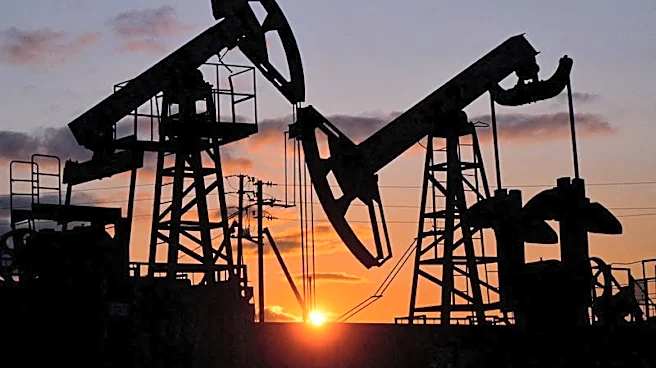
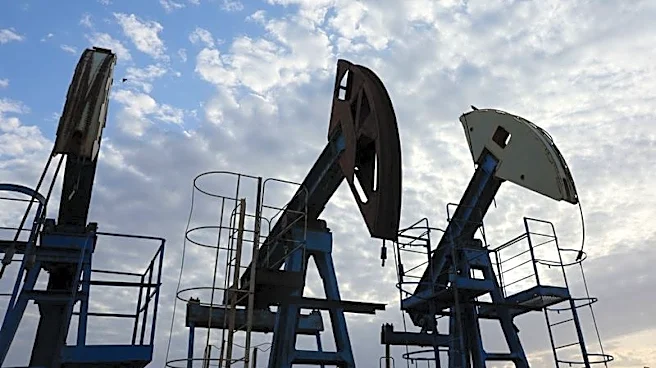
The ongoing conflict in the Middle East, particularly the war in Iran, has led to a significant increase in crude oil prices, prompting a global search for alternative energy sources. Biofuels have emerged as a viable substitute due to their sustainability
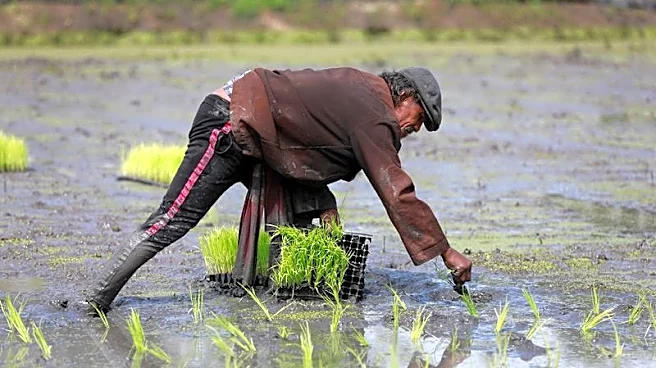
compared to fossil fuels. However, the increased reliance on biofuels is exerting pressure on food prices, as many of the commodities used in biofuel production, such as palm oil, vegetable oil, corn, and sugarcane, are also essential food commodities. The European Union and the United States have seen a substantial portion of their biodiesel production relying on crop-based feedstocks, with the U.S. using a higher percentage. The demand for biofuels is expected to remain strong due to policy-driven structural changes in regions like the EU, Brazil, and Indonesia, which are pushing for increased biofuel use.
Why It's Important?
The shift towards biofuels as an alternative energy source has significant implications for global food markets. As biofuel production competes with food production for the same raw materials, food prices are likely to rise, affecting consumer affordability and food security. This situation is exacerbated by the ongoing conflict in the Middle East, which has already disrupted global oil supplies. The increased demand for biofuels could lead to long-term changes in agricultural practices and land use, as more arable land may be diverted from food production to biofuel crops. This could have a ripple effect on global food supply chains, potentially leading to increased volatility in food prices and impacting economies reliant on agricultural exports.
What's Next?
The demand for biofuels is expected to continue growing, driven by regulatory changes and environmental policies aimed at reducing carbon emissions. Countries like Brazil and Indonesia are implementing policies to increase the biofuel content in fuel blends, which could further entrench the demand for biofuels. As these policies take effect, the agricultural sector may need to adapt by increasing the production of biofuel crops, potentially at the expense of food crops. This could lead to further increases in food prices and necessitate international cooperation to balance energy needs with food security. Stakeholders, including governments, agricultural producers, and environmental groups, will need to navigate these challenges to ensure sustainable development.