
What's Happening?
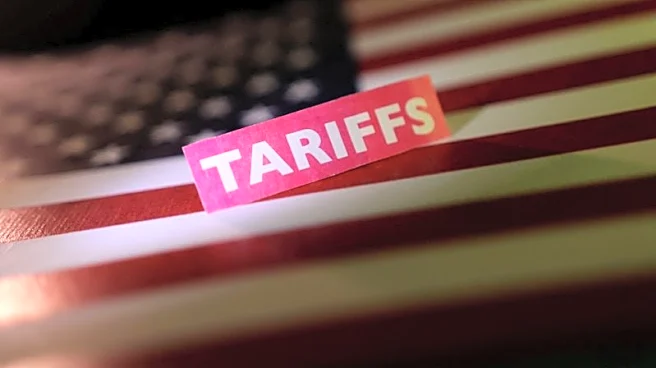
Two educational companies, Learning Resources and Hand2mind, successfully challenged President Trump's tariff policy in the U.S. Supreme Court. The court ruled that the administration had exceeded its powers under federal statute by imposing tariffs.
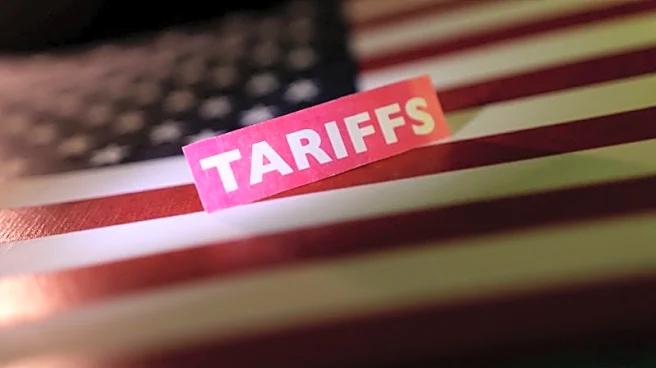
The companies initially filed the lawsuit in April 2025, arguing that the tariffs were applied incorrectly under the International Emergency Economic Powers Act (IEEPA). The ruling is seen as a significant check on executive overreach, reinforcing the system of checks and balances envisioned by the founding fathers. Despite the ruling, the administration quickly introduced new tariffs, indicating a continued commitment to its tariff strategy.
Why It's Important?
The Supreme Court's decision underscores the importance of judicial oversight in maintaining the balance of power among the branches of government. For the educational companies involved, the ruling offers a potential financial reprieve, as they expect to receive refunds for the tariffs paid. This case highlights the broader implications of tariff policies on businesses, particularly smaller companies that may struggle with increased costs. The decision also sets a precedent for other businesses considering legal action against government policies they perceive as overreaching. As the midterm elections approach, the political ramifications of imposing tariffs could become more pronounced, potentially influencing public opinion and policy decisions.
What's Next?
The educational companies anticipate receiving refunds for the tariffs paid, although the process may take time. The administration's swift introduction of new tariffs suggests that the legal and political battles over trade policies are far from over. As the midterms draw near, the administration may face increased scrutiny and pressure to justify its tariff strategies. Businesses affected by these policies will likely continue to monitor developments closely, considering further legal challenges if necessary. The outcome of this case may inspire other companies to challenge government actions they view as detrimental to their operations.