





What's Happening?
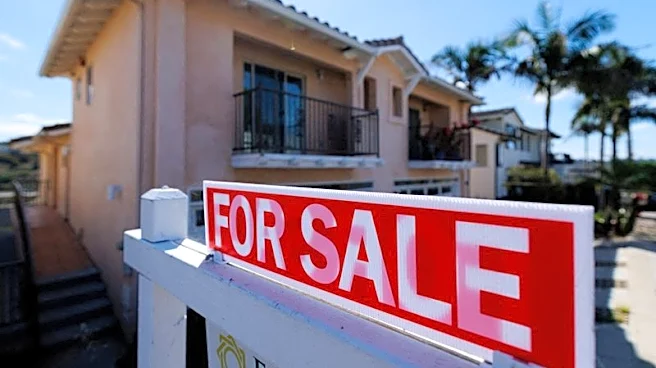
Realtor.com has identified 13 U.S. housing markets where at least half of the active listings are priced above $1 million, highlighting these as 'pure luxury' markets. These markets are characterized by a scarcity of listings, with fewer than 500 such
properties available. Notable areas include Nantucket, Massachusetts, where nearly all listings exceed $1 million, and Vineyard Haven, also in Massachusetts, with 90% of listings priced over $1 million. Other markets include Jackson, Wyoming, and Petoskey, Michigan, which offer unique luxury features such as waterfront views and ski access. Despite the high prices, the luxury housing market is showing signs of softness, with the national luxury threshold down 2.9% year over year, although prices are beginning to firm up into the spring.
Why It's Important?
The identification of these luxury markets underscores the ongoing demand for high-end real estate in the U.S., driven by affluent buyers seeking exclusive properties. This trend reflects broader economic patterns where high-income consumers continue to spend on luxury goods and services, even as the overall housing market experiences a downturn. The concentration of luxury listings in specific areas highlights the impact of geographic and regulatory factors, such as land scarcity and building codes, on property values. This segmentation of the housing market could influence local economies, real estate investment strategies, and urban planning policies.
What's Next?
As the luxury housing market shows signs of stabilization, potential buyers and investors may see opportunities for acquisition in these high-demand areas. Real estate developers and local governments might respond by exploring ways to balance preservation with development to meet demand. Additionally, the market's performance could influence broader economic indicators, affecting consumer confidence and spending in related sectors. Stakeholders will likely monitor these trends closely to adapt to shifting market dynamics.
Beyond the Headlines
The emphasis on luxury markets raises questions about housing affordability and accessibility in these regions. As high-end properties dominate the market, middle-income buyers may find it increasingly difficult to enter these areas, potentially leading to socio-economic divides. Furthermore, the environmental impact of maintaining luxury properties, particularly in ecologically sensitive areas, could become a point of contention among conservationists and developers.