
What's Happening?
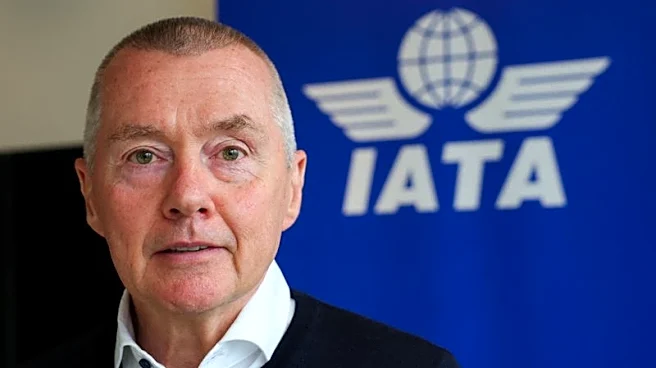
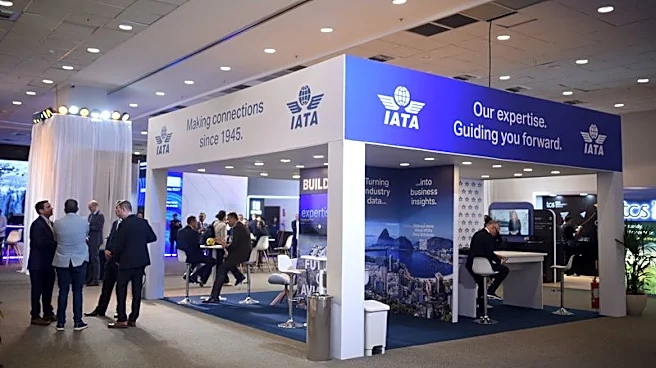
Willie Walsh, the outgoing Director General of the International Air Transport Association (IATA), delivered a critical speech at the association's Annual General Meeting in Rio de Janeiro. Walsh addressed
several pressing issues facing the aviation industry, including high jet fuel prices, the lack of sustainable aviation fuel (SAF), and supply chain disruptions. He criticized the oil industry for not fulfilling SAF production promises and called out aircraft and engine manufacturers for failing to deliver on orders, which has led to increased costs for airlines. Walsh also took aim at air traffic management inefficiencies in Europe and the U.S., and criticized London Heathrow Airport for its operational challenges.
Why It's Important?
Walsh's remarks highlight significant challenges within the aviation industry that affect airline profitability and operational efficiency. The supply chain issues and high fuel costs are particularly concerning as they lead to increased operational expenses for airlines, which could result in higher ticket prices for consumers. The criticism of air traffic management systems underscores the need for modernization and reform to improve efficiency and reduce environmental impact. Walsh's comments also reflect broader industry frustrations with regulatory and infrastructure challenges that hinder growth and sustainability efforts.
What's Next?
As Walsh transitions to a new role as CEO of Indian carrier IndiGo, the aviation industry will need to address the issues he highlighted. This may involve increased pressure on manufacturers to meet delivery commitments and on governments to invest in air traffic management improvements. The industry may also see a push for greater collaboration to enhance the production and adoption of sustainable aviation fuels. Walsh's successor at IATA will likely continue to advocate for these changes while navigating the complex regulatory and economic landscape of global aviation.
Beyond the Headlines
Walsh's speech underscores the tension between airlines and manufacturers, as well as the broader challenges of achieving sustainability in aviation. The industry's reliance on fossil fuels and the slow adoption of SAF highlight the difficulties in balancing economic growth with environmental responsibility. The speech also points to the need for a coordinated global approach to address these challenges, which could lead to significant policy shifts and technological innovations in the coming years.