


What's Happening?
The recent surge in global market volatility has sparked concerns among U.S. farmers and commodity markets, primarily driven by rising energy prices and geopolitical tensions. According to Moe Agostino, Chief Commodity Strategist at Farms.com Risk Management,
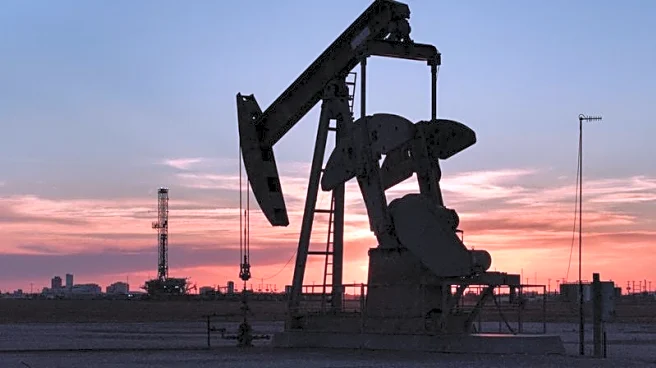
the week of March 9 to 13 saw significant movements in agricultural commodities, with corn and oats reaching new contract highs. Soybeans also performed strongly, nearing new highs, while soybean meal and oil posted notable gains. However, livestock prices faced pressure due to increased energy costs affecting meat demand. The equity markets showed uncertainty as major indices approached their 200-day moving averages, influenced by slower-than-expected U.S. GDP data and interest rate concerns. Crude oil prices surged to new highs, reflecting restricted global oil supplies through the Strait of Hormuz due to geopolitical conflicts. This situation has also impacted fertilizer markets, with rising prices and a widening cost-to-yield ratio posing challenges for farmers.
Why It's Important?
The volatility in commodity markets has significant implications for U.S. agriculture, affecting both producers and consumers. Rising energy prices increase production costs for farmers, particularly in terms of fuel and fertilizer, which can lead to higher food prices for consumers. The geopolitical tensions contributing to these price hikes also pose risks to global supply chains, potentially leading to shortages and further price increases. Additionally, the uncertainty in equity markets and potential inflationary pressures could impact broader economic stability, affecting investment and consumer spending. For farmers, managing these risks is crucial to maintaining profitability and ensuring a stable food supply.
What's Next?
Farmers and market analysts are closely monitoring geopolitical developments and weather conditions, which could further influence commodity prices. The ongoing conflict in the Middle East and its impact on oil and fertilizer supplies remain critical factors. Analysts suggest that producers should remain proactive in managing risks and prepare for potential market rallies if geopolitical and weather-related pressures persist. Governments may also consider policy measures to stabilize markets, although resolving underlying geopolitical conflicts is essential for long-term stability.