



What's Happening?
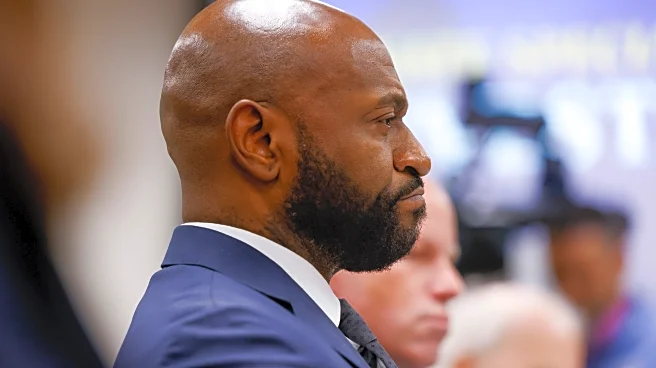
Aisha 'Pinky' Cole, founder of the fast-food chain Slutty Vegan and a new cast member of 'The Real Housewives of Atlanta,' has filed for Chapter 11 bankruptcy protection. The filing, made in a Georgia federal court, allows her to reorganize her debts
under court supervision. Cole, who personally guaranteed much of her business's debt, faced pressure from creditors seeking repayment. During a creditors' meeting, she disclosed that she had closed her personal bank account and currently has no personal income, though she earns rental income from properties. Her bankruptcy filing estimates her assets and liabilities each between $1 million and $10 million. Cole owes $1.2 million to the U.S. Small Business Administration and $192,000 in state taxes. She also faced IRS inquiries regarding three years of missing tax returns.
Why It's Important?
The bankruptcy filing highlights the financial challenges faced by entrepreneurs, particularly in the restaurant industry, which has been significantly impacted by economic fluctuations and the pandemic. Cole's situation underscores the risks associated with personal guarantees on business debts, which can lead to personal financial distress. The case also draws attention to the importance of financial management and legal representation in navigating bankruptcy proceedings. For the U.S. economy, this reflects broader issues of business sustainability and the pressures on small business owners. Cole's public profile as a reality TV star adds a layer of public interest and scrutiny to her financial struggles.
What's Next?
Cole is working with her attorney to amend her bankruptcy schedules and address the IRS's concerns about missing tax returns. The next creditors' meeting is scheduled for mid-April, where further developments in her bankruptcy case may unfold. The outcome of her restructuring efforts will determine her ability to manage her debts and potentially regain financial stability. Stakeholders, including creditors and the IRS, will closely monitor her compliance with bankruptcy requirements and tax obligations. The situation may also influence public perceptions of her business acumen and impact her brand's reputation.
Beyond the Headlines
Cole's bankruptcy filing sheds light on the broader challenges faced by minority entrepreneurs in accessing capital and managing business growth. Her experience may resonate with other business owners who have faced similar financial pressures. Additionally, her use of social media to discuss bankruptcy in a relatable manner could influence public understanding of financial literacy and bankruptcy processes. The cultural impact of her story, combined with her role on a popular reality TV show, may spark discussions about the intersection of business, media, and personal finance.