


What's Happening?
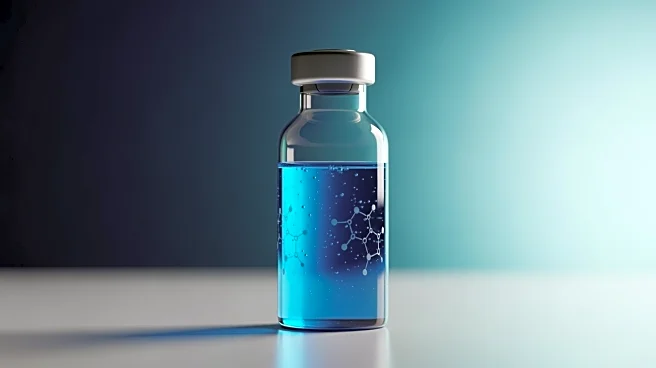
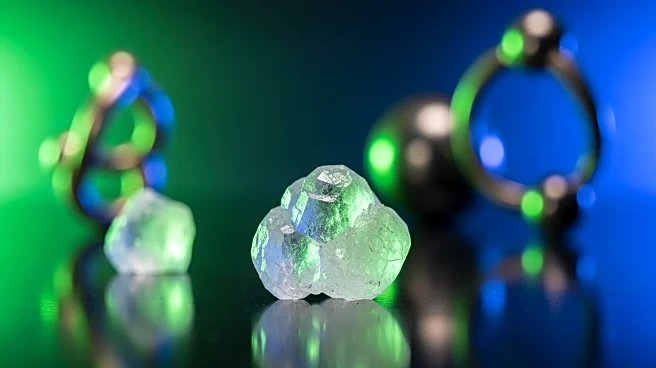
A study published in Nature Communications explores the use of bio-based oxalic acid for the recovery of rare earth elements (REEs). Researchers utilized the yeast Issatchenkia orientalis to produce oxalic acid, a key reagent in REE leaching and extraction. This microbial approach offers an environmentally friendly alternative to conventional chemical synthesis, reducing energy use and emissions. The study demonstrates the potential of biotechnological processes in mineral extraction, supporting the demand for REEs essential for renewable energy systems and electronics.
Why It's Important?
The development of bio-based oxalic acid production represents a significant advancement in sustainable mining practices. As the demand for REEs grows, integrating microbial production systems
into mining operations can enhance supply chain sustainability and reduce environmental impact. This approach not only improves extraction efficiency but also supports the transition toward cleaner technologies in the mining sector. The study highlights the economic advantages of using low-cost substrates, which reduce production costs and support waste valorization.
What's Next?
Future research will focus on scaling up fermentation processes and refining genetic modifications to maximize yield. Exploring alternative low-cost substrates will enhance the economic feasibility of bio-based oxalic acid production. As biotechnology continues to reshape traditional industries, this research could lead to the widespread adoption of sustainable practices in rare earth recovery, aligning with long-term sustainability goals.