

What's Happening?
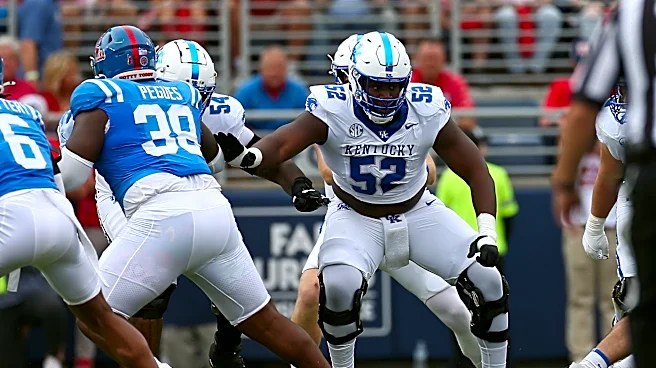
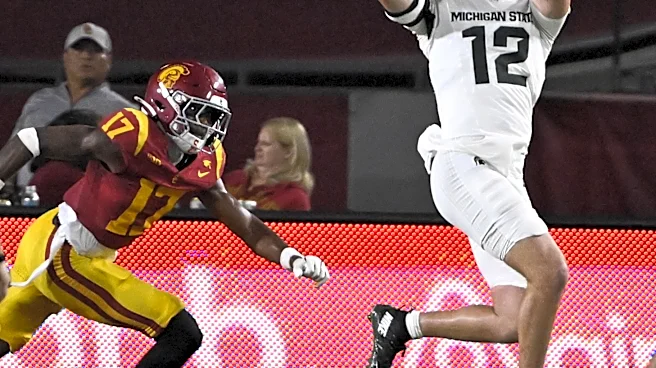
Jameson Williams, a wide receiver for the Detroit Lions and former college football player, has filed a lawsuit against the NCAA, Big Ten, and SEC. The lawsuit, filed in Los Angeles County, California, claims that these organizations have misappropriated
his name, image, and likeness (NIL) rights. Williams argues that he has not received fair compensation for the commercial value of his NIL, while the defendants have financially benefited from it. The lawsuit seeks compensation for social media earnings and a share of the game telecast group licensing revenue that Williams claims he would have received if not for the defendants' actions. Williams, who was the 12th overall pick in the 2022 NFL Draft, played most of his college career before the NIL era, which now allows college athletes to profit from their NIL.
Why It's Important?
This lawsuit highlights ongoing tensions and legal challenges surrounding NIL rights in college sports. The case underscores the broader implications of the NIL era, where athletes are now able to monetize their personal brands. Williams' lawsuit could set a precedent for other athletes who played before the NIL rules were implemented, potentially leading to more claims for compensation. The outcome of this case could impact how college sports organizations handle NIL rights and compensation, influencing future policies and agreements. It also raises questions about the fairness and retroactive application of NIL rights for athletes who were unable to benefit during their college careers.
What's Next?
The lawsuit will proceed through the legal system, and its outcome could have significant implications for college sports and NIL policies. If Williams is successful, it may encourage other former athletes to file similar lawsuits, seeking compensation for past NIL misappropriations. The NCAA, Big Ten, and SEC may need to reassess their NIL policies and consider potential settlements or changes to avoid further legal challenges. The case could also prompt legislative or regulatory actions to address NIL rights and compensation for athletes who played before the current rules were established.