

What's Happening?
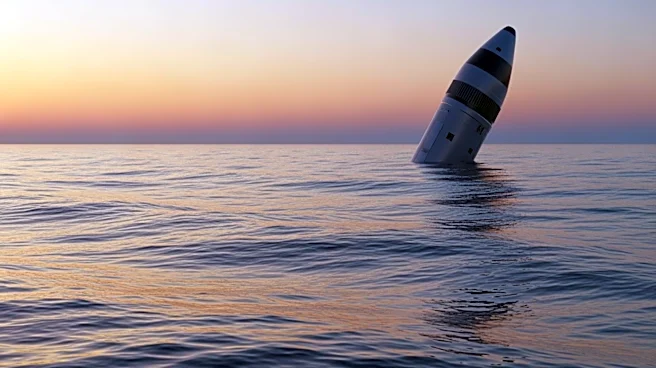
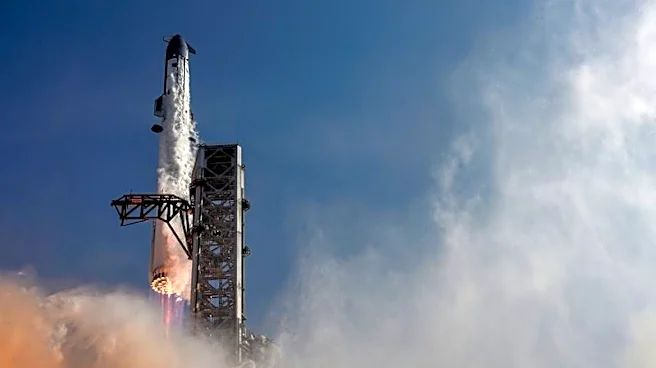
The Federal Aviation Administration (FAA) has grounded SpaceX's Starship V3 following a mishap during its recent launch. The incident occurred when the Starship V3's boosters fell back into the Gulf of Mexico, causing airport departure delays and airborne
delay events. SpaceX is required to conduct a mishap investigation, overseen by the FAA, which must approve the final report and corrective actions before another launch can occur. The grounding comes as SpaceX faces scrutiny after filing for a potentially record-breaking initial public offering, which could value the company at $1.75 trillion.
Why It's Important?
The grounding of SpaceX's Starship V3 highlights the challenges faced by the company in ensuring the safety and reliability of its launches. The incident may impact SpaceX's plans for future missions, including the deployment of Starlink V3 satellites and the Artemis IV moon landing. The FAA's investigation could lead to delays in SpaceX's operations and affect investor confidence as the company prepares for its IPO. The event underscores the importance of regulatory oversight in the aerospace industry and the need for companies to adhere to safety standards.
What's Next?
SpaceX must complete the mishap investigation and implement corrective actions approved by the FAA before resuming Starship V3 launches. The company may face increased scrutiny from investors and regulators as it moves forward with its IPO. The outcome of the investigation could influence SpaceX's future operations and its ability to meet ambitious goals, such as the Artemis IV moon mission. The incident may also prompt discussions on improving safety protocols and regulatory frameworks in the aerospace industry.
Beyond the Headlines
The grounding of SpaceX's Starship V3 raises questions about the balance between innovation and safety in the aerospace industry. It highlights the challenges of managing complex launch systems and the potential risks associated with rapid technological advancements. The incident may lead to increased focus on regulatory compliance and safety measures, influencing the industry's approach to risk management. Long-term, the event could drive changes in industry standards and practices, promoting safer and more reliable space exploration.