





What's Happening?
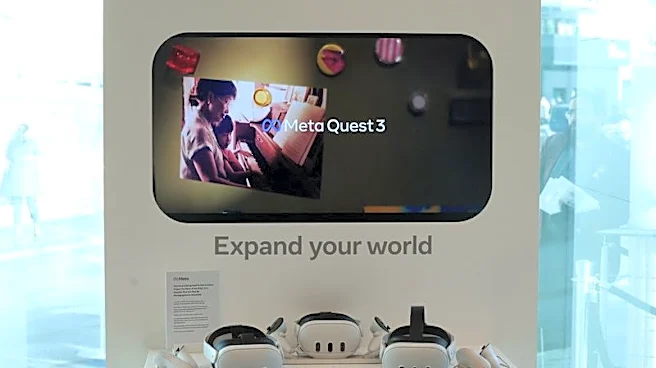
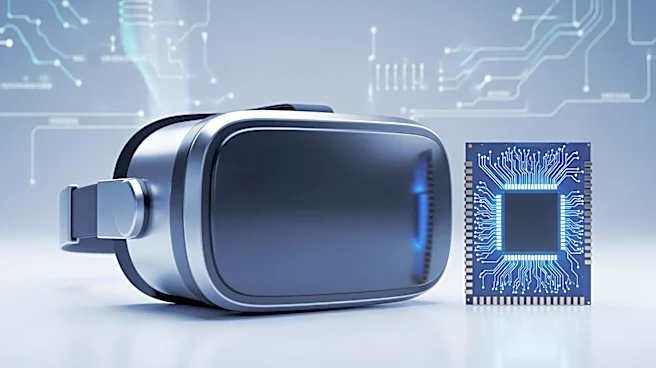
Meta has announced a price increase for its Quest VR headsets, effective April 19, 2026. The price hike ranges from $50 to $100 per model, affecting both new and refurbished units. This decision comes as a result of increased demand for memory chips used
in AI servers, which has led manufacturers to prioritize these components for data centers over consumer devices. The announcement has been met with criticism from early adopters, who feel betrayed by the sudden cost increase. Retailers are experiencing a rise in refund requests and trade-in traffic, while developers express concerns about the potential slowdown in consumer adoption, which could impact the growth of the VR install base.
Why It's Important?
The price increase highlights the ongoing challenges in the tech industry, where the demand for AI infrastructure is impacting consumer electronics. This shift in component allocation underscores the broader industry trend of prioritizing higher-margin enterprise solutions over consumer products. The backlash from consumers and developers could influence future pricing strategies and market dynamics. If prices remain high, the secondhand market for VR headsets may expand, and developers might delay launching new paid experiences that require a large user base. This situation also raises questions about the future of mixed reality and its prioritization within the tech industry.
What's Next?
If Meta maintains its current pricing strategy, other manufacturers might follow suit, potentially leading to a broader industry trend of increased prices for consumer electronics. Consumers may delay purchasing new devices, opting instead for secondhand options or waiting for potential discounts. Developers might adjust their strategies, focusing on experiences that do not require a large install base. The situation could also prompt discussions within the industry about balancing the needs of enterprise and consumer markets, especially as AI and VR technologies continue to evolve.