



What's Happening?
Retail sales in the United States increased by 0.6% in February, according to recent data. This rise comes after a revision of January's figures, which now show a 0.1% decline instead of the previously reported 0.2% drop. The increase in sales was broad-based,
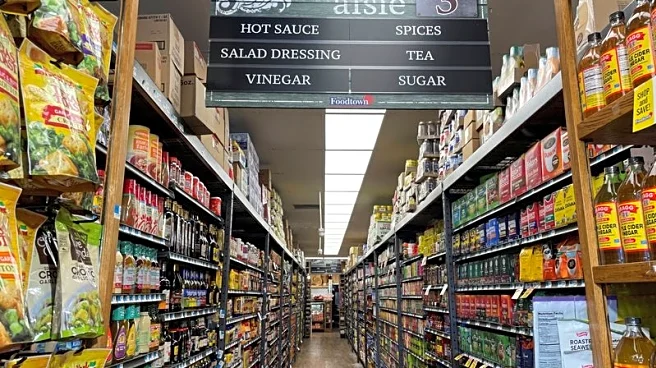
with notable gains in the automotive sector, which saw a 1.2% rise, marking the highest increase since last summer. Gas station receipts also climbed by 0.9%, reflecting rising pump prices even before the onset of the Middle East conflict in March. Online shopping remained robust with a 0.7% increase, and restaurant purchases rose by 0.4%, ending a two-month decline. However, grocery sales experienced a significant drop of 1.0%, the largest since August 2020, indicating a shift in consumer priorities towards convenience and other spending areas.
Why It's Important?
The increase in retail sales suggests a degree of consumer resilience despite economic uncertainties, including rising fuel prices and geopolitical tensions. The automotive sector's strong performance indicates continued consumer interest in durable goods, which can be a positive sign for the economy. The decline in grocery sales, however, may reflect changing consumer behavior, possibly due to inflationary pressures or a shift towards more discretionary spending. This data is crucial for policymakers and businesses as it provides insights into consumer confidence and spending patterns, which are key drivers of economic growth. The retail sector's performance can influence decisions on interest rates and fiscal policies aimed at stabilizing the economy.
What's Next?
As the geopolitical situation in the Middle East evolves, its impact on fuel prices and consumer spending will be closely monitored. Retailers may need to adjust their strategies to accommodate changing consumer preferences, particularly if inflation continues to affect purchasing power. Policymakers will likely use this data to assess the need for economic interventions to support consumer spending and address inflationary pressures. Businesses may also focus on enhancing online shopping experiences and diversifying product offerings to capture shifting consumer interests.