






What's Happening?
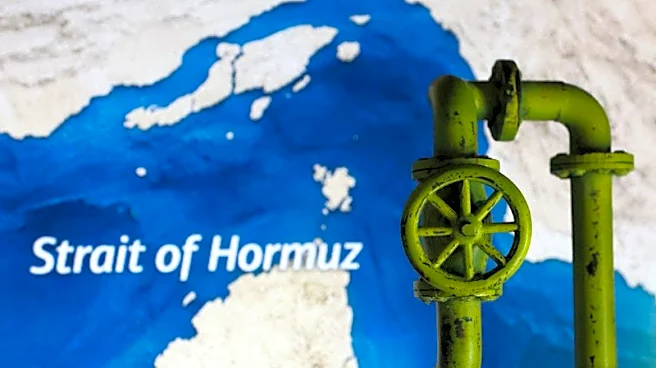
The ongoing crisis in Iran, particularly the effective closure of the Strait of Hormuz, has led to a significant increase in fertilizer prices, impacting U.S. corn production costs. According to Rabobank, the disruption in the supply chain has caused
a spike in prices for key fertilizers such as urea, ammonia, and phosphates, which are crucial for corn farming. This has resulted in an additional cost of up to $35 per acre for U.S. corn farmers. The report highlights that 30% of global urea, 27% of ammonia, 24% of phosphates, and 48% of sulfur exports pass through this critical corridor, and the shutdown has created a supply shock that cannot be fully compensated. The situation is exacerbated by rising energy and diesel costs, further straining farm economics.
Why It's Important?
The increase in fertilizer costs poses a significant threat to U.S. agriculture, particularly for corn growers who rely heavily on these inputs. The added financial burden could lead to reduced application rates, delayed purchases, or shifts in crop choices, potentially affecting crop yields and food prices. The broader implications include increased pressure on global food production and price stability, as the U.S. is a major player in the global agricultural market. The situation underscores the vulnerability of agricultural supply chains to geopolitical tensions and highlights the need for diversified sourcing and strategic planning to mitigate such risks.
What's Next?
If the conflict persists, U.S. farmers may face further challenges in the next planting cycle, especially if exports are redirected and domestic phosphate production tightens. The elevated sulfur prices could continue to erode margins for domestic producers, and any reduction in U.S. phosphate volumes could have significant repercussions. Stakeholders, including policymakers and industry leaders, may need to explore alternative supply sources or policy measures to alleviate the impact on farmers and ensure food security.