

What's Happening?
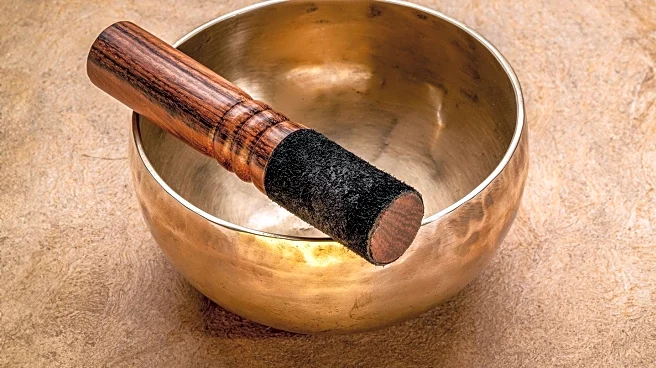
Sound healing experiences are becoming increasingly popular in Chicago, with sessions being held in various locations such as yoga studios and the Ravinia Festival. Practitioners like Cherish Hicks and Davin Youngs are leading these sessions, which use
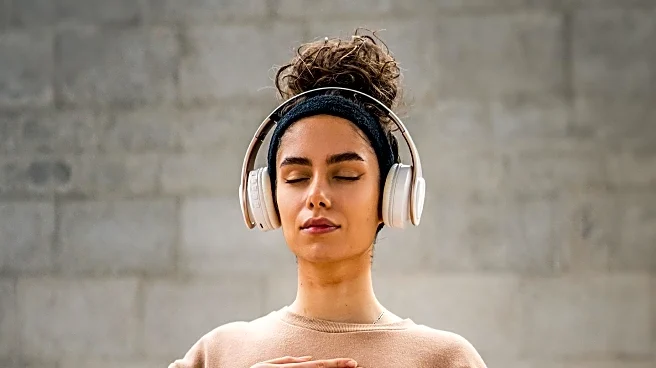
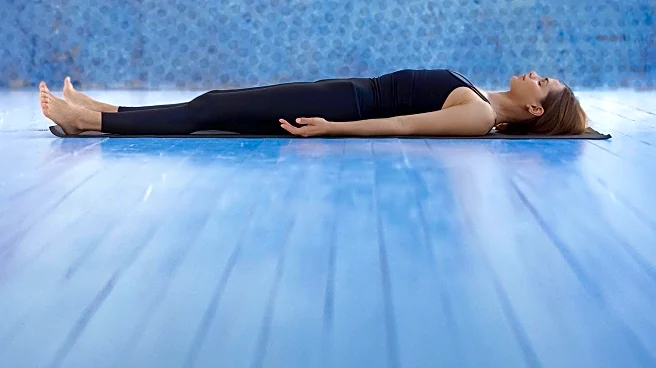
instruments like singing bowls and gongs to guide participants into therapeutic brainwave states. Hicks, a former special education teacher, has developed a brand called Beyond, offering floating sound meditation sessions that have gained traction on social media. These sessions are designed to help individuals relax and find peace amidst their busy lives. The practice of sound healing, which has been around for centuries, has seen a resurgence in recent years, particularly during the COVID-19 pandemic, as people seek new ways to manage stress and connect with others.
Why It's Important?
The rise of sound healing in Chicago reflects a broader cultural shift towards wellness and immersive experiences. As people increasingly seek alternatives to traditional stress-relief methods, sound healing offers a unique approach that combines music and meditation. This trend is particularly appealing to younger generations, such as millennials and Gen Z, who are looking for ways to connect with others without relying on late-night socializing or substance use. The popularity of sound healing also highlights a growing interest in mental health and self-care practices, as individuals look for ways to cope with the pressures of modern life. By providing a space for relaxation and introspection, sound healing sessions contribute to the overall well-being of participants and foster a sense of community.
What's Next?
As sound healing continues to gain popularity, it is likely to expand into new venues and reach a wider audience. Practitioners like Mecca Perry are already working to integrate sound healing into mental health clinics and healthcare settings, suggesting that the practice could become a more mainstream component of wellness programs. Additionally, the demand for sound healing experiences may lead to the development of new techniques and collaborations with artists and musicians, further enriching the practice. As more people discover the benefits of sound healing, it could play a significant role in shaping the future of wellness and mental health care.
Beyond the Headlines
The growing interest in sound healing also raises questions about the commercialization of wellness practices and the potential for cultural appropriation. As sound healing becomes more popular, it is important to ensure that the practice remains accessible and respectful of its historical roots. Practitioners must navigate the balance between offering a therapeutic experience and maintaining the integrity of the practice. Additionally, the rise of sound healing highlights the need for further research into its effectiveness and potential applications in various settings. As the practice evolves, it will be crucial to address these ethical considerations and ensure that sound healing remains a valuable tool for personal and communal well-being.