





What's Happening?
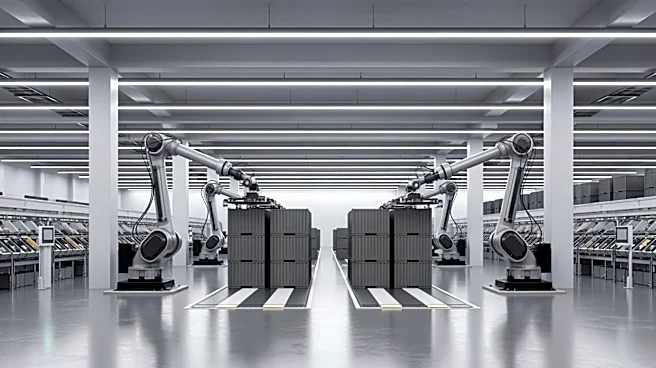
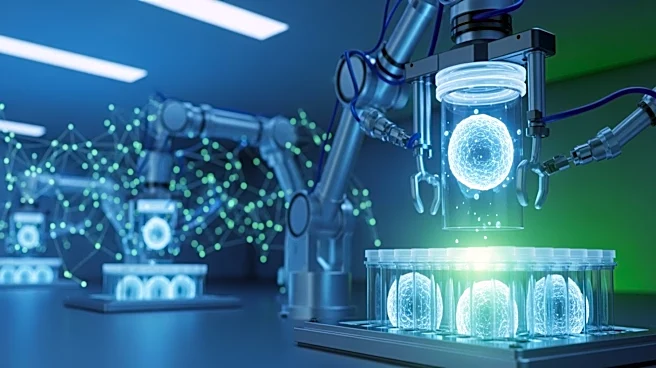
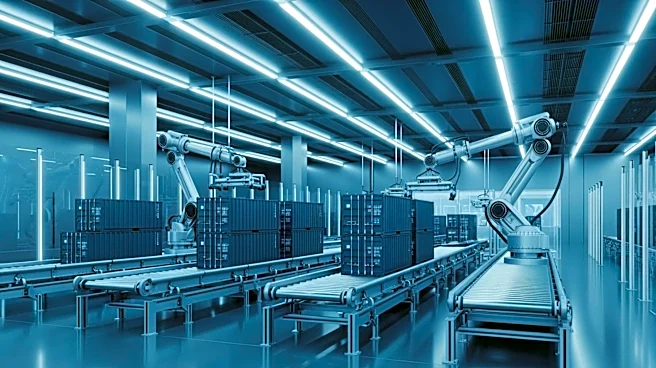
The cell and gene therapy (CGT) manufacturing sector is facing challenges related to scalability, labor, and cost pressures. To address these issues, developers and manufacturers are increasingly digitizing and automating systems and processes. Automation
and collaboration across the CGT ecosystem are essential to expedite production and support broader patient access. The industry is moving towards robotic digital platforms and machine learning to enhance production efficiency and reduce human error. Companies like Cellular Origins are leading efforts to standardize processes and integrate robotics into manufacturing.
Why It's Important?
The scalability of CGT manufacturing is crucial for the industry to meet growing market demands and ensure broader patient access to therapies. Automation reduces labor costs and minimizes human error, which is vital for maintaining sterile production environments. Collaboration among manufacturers, device companies, and therapy developers is necessary to advance the field and ensure the successful integration of new technologies. These efforts are expected to enhance production capacity and streamline the supply chain, ultimately benefiting patients and healthcare providers.
What's Next?
The CGT industry will continue to focus on integrating digital systems and automation to improve scalability and efficiency. Partnerships between manufacturers and technology providers will play a key role in advancing these efforts. Companies are expected to co-develop devices and software solutions to further enhance production capabilities. The ongoing collaboration will be crucial for designing CGTs for global patient access and ensuring the industry's growth and sustainability.