
What's Happening?
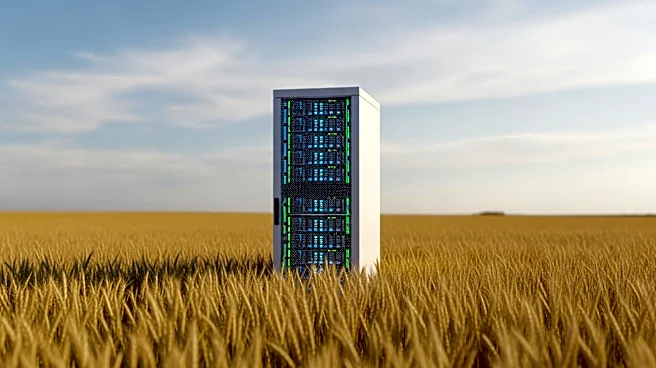
Data centers are increasingly being established in rural areas, leading to concerns about competition for essential resources such as land, water, and electricity with agricultural operations. Economists
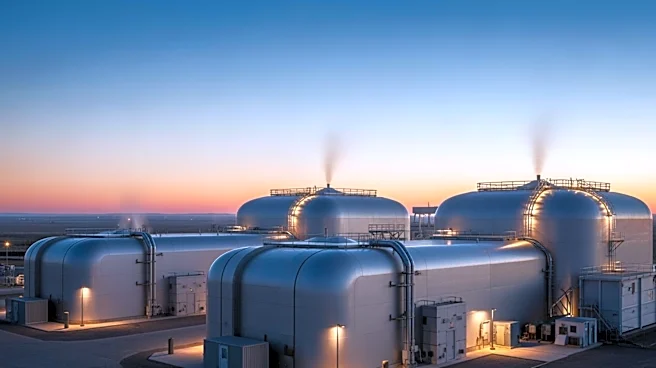
from Texas A&M AgriLife have highlighted that the impact of these data centers will largely depend on their resource usage and community management of development. Texas is becoming a significant hub for data centers, with approximately four gigawatts of capacity already operational and nearly eight gigawatts under construction. These facilities, which can cover hundreds of acres, operate continuously and consume as much electricity as a small city. The demand for electricity could strain rural power systems, potentially driving up rates and increasing grid pressure, particularly during peak summer irrigation periods. Additionally, water usage by these centers is substantial, with some requiring over a million gallons per day, which could stress groundwater resources in key aquifers. Land use is another concern, as once land is converted for data centers, it rarely returns to agricultural use.
Why It's Important?
The expansion of data centers into rural areas poses significant challenges for agricultural communities. The competition for resources such as electricity and water could lead to increased costs and resource scarcity for farmers, impacting their operations and profitability. The strain on power systems could result in higher electricity rates, affecting both agricultural and residential consumers. Water scarcity could become a critical issue, especially in areas reliant on groundwater for irrigation. Furthermore, the conversion of agricultural land to data center use could reduce the availability of land for farming, potentially affecting food production and local economies. While data centers can generate tax revenue, they offer limited long-term employment opportunities, which may not compensate for the loss of agricultural jobs and economic activity.
What's Next?
Communities and policymakers will need to address the challenges posed by the expansion of data centers in rural areas. Strategies may include implementing regulations to manage resource usage and ensure sustainable development. There could be discussions on balancing the economic benefits of data centers with the needs of agricultural operations. Stakeholders, including farmers, local governments, and data center operators, may engage in negotiations to find mutually beneficial solutions. Monitoring and managing the environmental impact of data centers will be crucial to prevent resource depletion and ensure the sustainability of rural communities.
Beyond the Headlines
The expansion of data centers into rural areas highlights broader issues related to land use and resource management. It raises questions about the long-term sustainability of rural economies and the potential need for diversification beyond agriculture. The situation also underscores the importance of technological advancements in data center operations to reduce resource consumption and environmental impact. Ethical considerations regarding the prioritization of technological infrastructure over traditional agricultural practices may arise, prompting discussions on the values and priorities of rural development.