





What's Happening?
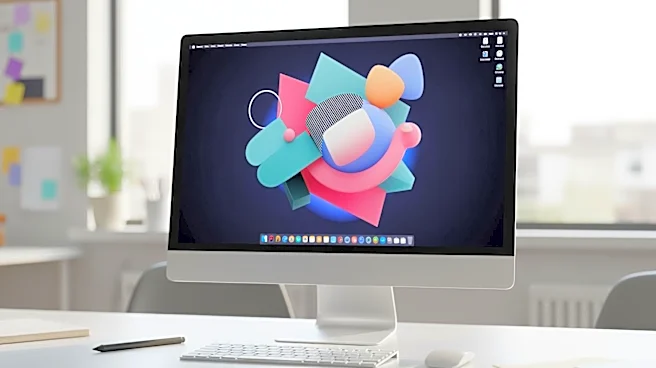
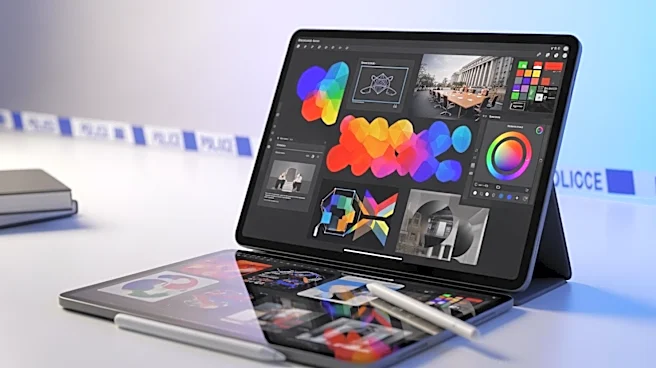
Anthropic Labs has introduced Claude Design, an AI-powered platform designed to automate the creation of marketing and sales collateral, such as designs, slides, and one-pagers. Built on the Claude Opus 4.7 model, this tool aims to simplify the design process
for both experienced designers and nontechnical users. Claude Design is set to compete with established design software like Figma and Adobe, which have also been integrating AI tools into their workflows. The platform allows users to input text prompts, upload documents, and utilize a web capture feature to generate outputs, which can then be edited and refined collaboratively. Currently in a research beta phase, Claude Design is being tested by companies like Canva, Datadog, and Brilliant, with positive feedback on its ability to streamline design processes and enhance collaboration.
Why It's Important?
The launch of Claude Design signifies a significant shift in the design industry, as AI continues to transform traditional workflows. By automating the creation of marketing assets, Claude Design could reduce the time and resources required for design projects, making it easier for businesses to produce high-quality visuals quickly. This development could democratize design capabilities, allowing non-designers to create professional-grade materials, thereby broadening the scope of who can participate in the design process. For companies like Canva and Datadog, the integration of Claude Design could enhance their product offerings and improve user experience, potentially leading to increased market competitiveness. As AI tools become more prevalent, businesses that adopt these technologies may gain a strategic advantage in terms of efficiency and innovation.
What's Next?
As Claude Design continues its beta testing phase, feedback from participating companies will likely influence its development and refinement. If successful, the platform could see a broader rollout, potentially disrupting the design software market. Companies like Adobe and Figma may respond by further enhancing their own AI capabilities to maintain their competitive edge. Additionally, as more businesses adopt AI-powered design tools, there may be a shift in industry standards and expectations regarding design speed and quality. The success of Claude Design could also encourage other tech companies to explore AI-driven solutions in various creative fields, further integrating AI into everyday business operations.