





What's Happening?
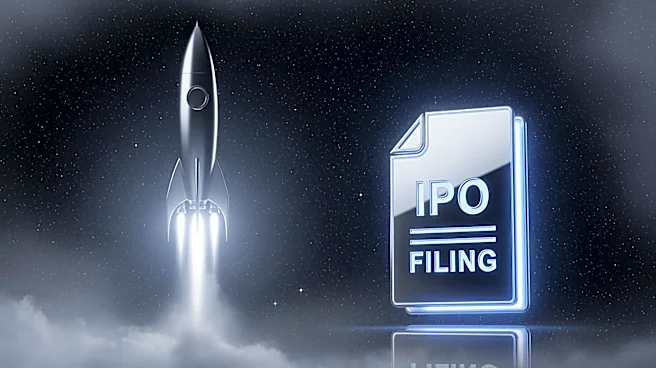
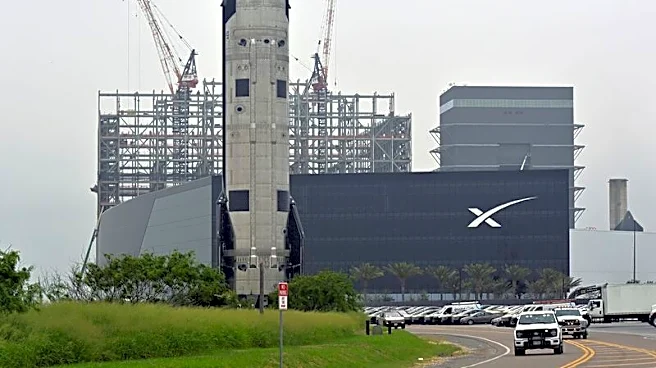
SpaceX has filed its S-1 form, providing a detailed look at its financials and strategic ambitions as it prepares for a public offering. The filing reveals that SpaceX generated $18.7 billion in revenue in 2025 but incurred a $4.9 billion loss due to
heavy investments in AI and other ventures. The document outlines SpaceX's plans to expand beyond its core rocket business into areas such as orbital AI compute, asteroid mining, and space tourism. Elon Musk, who will retain significant control over the company, has integrated SpaceX deeply with his other ventures, including Tesla and The Boring Company.
Why It's Important?
The SpaceX IPO is significant for several reasons. It represents a major milestone for the company, potentially becoming the largest IPO in history. The filing highlights SpaceX's ambitious plans to diversify its business and tap into new markets, which could reshape the space industry and influence investor sentiment. The IPO will also provide insights into the financial health and strategic direction of one of the most prominent private space companies. For investors, the offering presents an opportunity to invest in a company with a strong track record of innovation and growth, albeit with substantial risks due to its ambitious and capital-intensive projects.
What's Next?
As SpaceX moves forward with its IPO, it will engage with financial institutions and potential investors to finalize the offering. The company plans to list on the Nasdaq under the ticker 'SPCX,' with Goldman Sachs leading the offering. The IPO could have a ripple effect on the broader market, influencing other tech companies considering public offerings. Additionally, SpaceX's entry into the public markets may lead to increased scrutiny of its financial practices and strategic decisions. The success of the IPO will be closely watched by investors and industry stakeholders, as it could set the tone for future public offerings in the tech and space sectors.