







What's Happening?
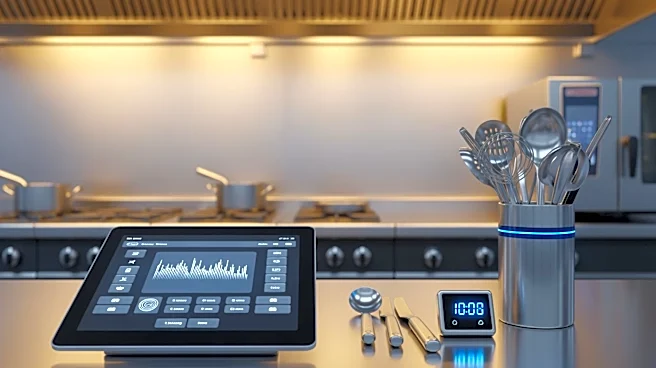
Guzman y Gomez, a Mexican-themed fast food chain, is set to integrate agentic AI into its ordering systems across its 225 restaurants in Australia. The initiative, led by Chief Technology Officer Bryce Maybury, involves the deployment of new kitchen display
systems supplied by Hewlett-Packard. These systems are equipped with neural processors and memory to handle AI workloads on-site. The rollout, beginning next month, aims to optimize kitchen workflow management by using AI to balance production lines and respond to customer demand fluctuations. The technology will allow the chain to maintain its food quality benchmark of 'hotter, fresher, faster' by efficiently managing order allocations. The AI system is designed to reduce the cognitive load on restaurant managers by predicting when to open or close production lines based on real-time and historical data.
Why It's Important?
The introduction of agentic AI in Guzman y Gomez's operations represents a significant shift towards automation in the fast food industry. By leveraging AI, the chain aims to enhance operational efficiency, reduce human error, and improve customer satisfaction through faster service. This move could set a precedent for other fast food chains to adopt similar technologies, potentially transforming industry standards. The use of AI in managing kitchen workflows could lead to cost savings and increased profitability by optimizing resource allocation and reducing waste. Additionally, the ability to anticipate customer demand and adjust operations accordingly could provide a competitive edge in the fast-paced food service market.
What's Next?
As the rollout progresses, Guzman y Gomez will likely monitor the impact of the AI systems on their operations and customer satisfaction. The company may expand the use of AI to other areas of its business, such as supply chain management, to further streamline processes. The success of this initiative could prompt other fast food chains to explore AI solutions, potentially leading to widespread adoption across the industry. Stakeholders, including restaurant managers and employees, will need to adapt to the new technology, which may involve training and adjustments in workflow practices.