



What's Happening?
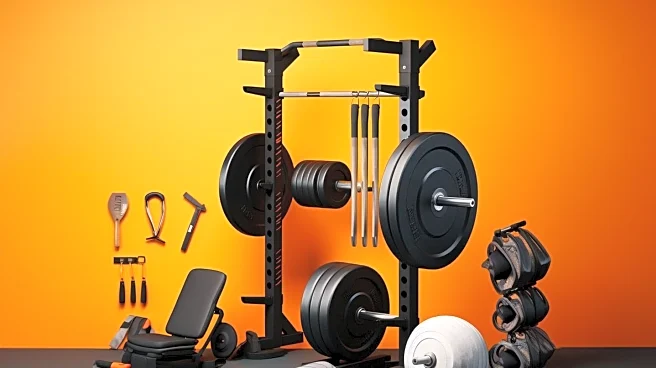
The article explores the optimal weight lifting routines for individuals at various stages of their fitness journey. Dr. Pat Davidson, an exercise physiologist, and Ebenezer Samuel, a fitness director, provide insights into how often individuals should lift weights based on their experience level. Beginners are advised to train two to three times a week, intermediates four times, and advanced individuals up to six times a week. The importance of rest days is emphasized to prevent overuse injuries and provide mental rejuvenation.
Why It's Important?
Understanding the optimal frequency of weight lifting is crucial for maximizing fitness gains while minimizing the risk of injury. This information is particularly valuable for gym-goers who may be unsure about how often
to train. By tailoring workout routines to individual experience levels, people can achieve better results and maintain long-term fitness. The emphasis on rest days also highlights the importance of recovery in any fitness regimen, which is essential for sustainable progress.
What's Next?
As more people become aware of the benefits of tailored workout routines, there may be a growing demand for personalized fitness coaching. Fitness professionals might develop more nuanced programs that cater to individual needs, taking into account factors like age, fitness level, and personal goals. Additionally, the fitness industry could see an increase in educational content aimed at helping individuals understand the science behind effective training schedules.
Beyond the Headlines
The article reflects a broader trend in the fitness industry towards evidence-based training practices. By focusing on the science of exercise, it encourages a more informed approach to fitness that prioritizes health and well-being over quick results. This shift could lead to a more sustainable fitness culture where individuals are empowered to make informed decisions about their health.