



What's Happening?
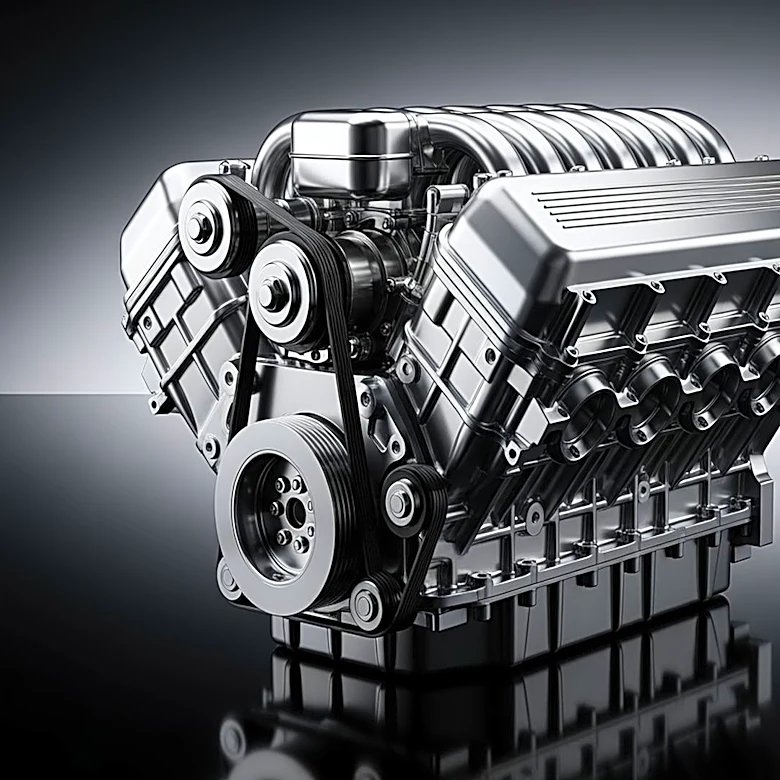
Porsche is contemplating a significant change for its iconic 911 GT3 model, potentially introducing turbocharging to comply with stringent European emissions regulations. Andreas Preuninger, head of Porsche's GT line, indicated that the naturally aspirated
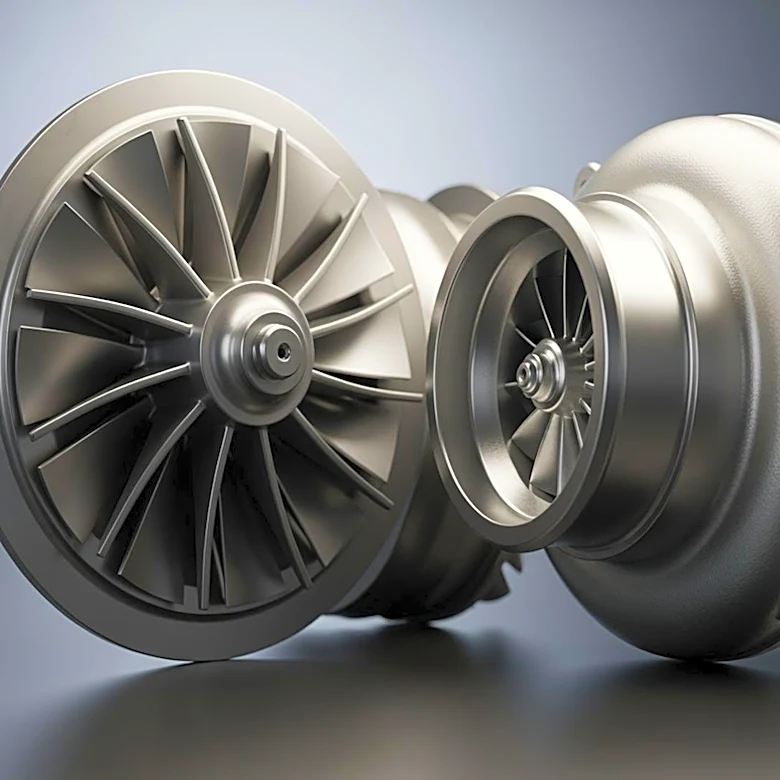
4.0-liter flat-six engine, a hallmark of the GT3 since its 1999 debut, may not survive much longer in its current form. While the engine could continue under U.S. emissions standards for some time, European regulations are pushing for a 55% reduction in vehicle greenhouse gas emissions by 2030, making the current engine's future uncertain. Preuninger suggested that turbocharging might be a viable solution, although no definitive decision has been made. This change would mark a significant shift in the GT3's identity, which has been defined by its naturally aspirated engine across six generations.
Why It's Important?
The potential shift to turbocharging for the Porsche 911 GT3 highlights the broader impact of global emissions regulations on the automotive industry. As manufacturers strive to meet increasingly strict environmental standards, traditional engine designs are being reconsidered. For Porsche, adapting the GT3 to comply with European emissions goals could mean significant changes in production and design strategies. This move could affect Porsche's market positioning, as the GT3's naturally aspirated engine is a key differentiator in the sports car market. The decision also reflects a growing trend among automakers to balance performance with sustainability, potentially influencing consumer preferences and industry standards.
What's Next?
If Porsche decides to turbocharge the next-generation GT3, it will need to navigate the challenges of maintaining the model's performance and appeal while meeting regulatory requirements. This could involve significant research and development investments to ensure the new engine meets both performance expectations and emissions standards. Additionally, the decision could influence the future of Porsche's entire GT lineup, including models like the GT4 and GT2, which may also face similar regulatory pressures. The automotive industry will be watching closely to see how Porsche balances these demands and what this means for the future of high-performance sports cars.