






What's Happening?
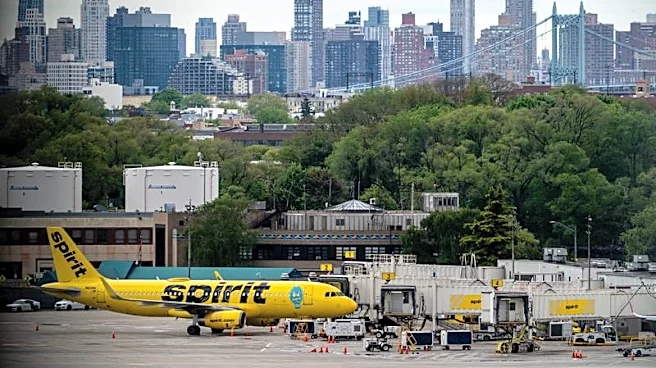
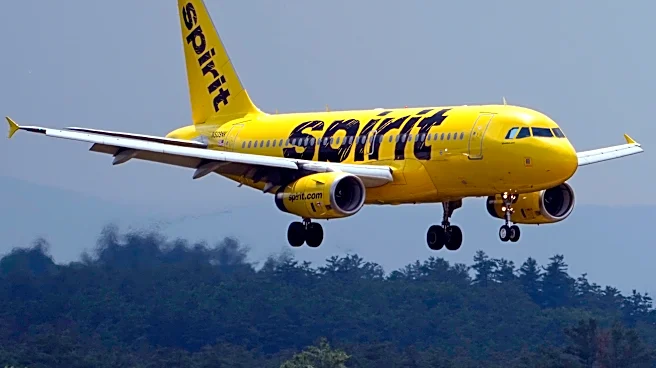
Spirit Airlines, a major player in the ultra-low-cost carrier market in the United States, has officially ceased all operations as of May 2, 2026. This development follows years of financial instability, including two bankruptcy filings in 2024 and 2025.
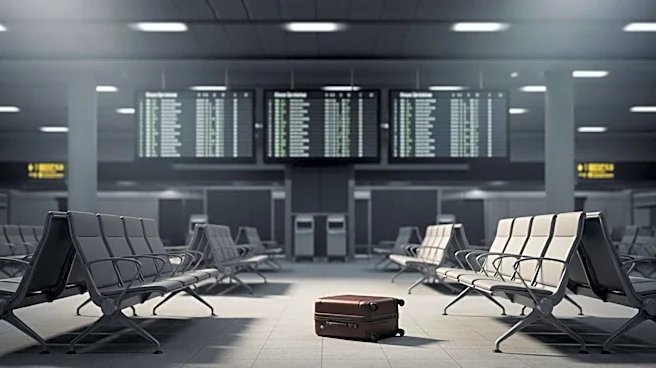
The shutdown has left thousands of passengers stranded and its workforce uncertain about their future. The U.S. Transportation Secretary, Sean Duffy, has announced a comprehensive industry-wide 'Rescue Package' to mitigate the impact on travelers. This package involves coordination with nine major U.S. carriers to ensure that passengers with canceled Spirit tickets can reach their destinations without facing exorbitant last-minute pricing. The closure marks the first major U.S. airline collapse for purely financial reasons in over 25 years. Despite efforts by the Trump administration to negotiate a $500 million federal bailout, talks with Spirit's creditors failed, leading to the airline's liquidation.
Why It's Important?
The cessation of Spirit Airlines operations is significant as it disrupts the travel plans of thousands and impacts the airline industry at large. Spirit's model of unbundling services forced larger carriers to introduce Basic Economy fares, making air travel more affordable for many Americans. The airline's collapse raises concerns about the future of low-cost travel in the U.S., potentially leading to higher domestic airfares. The shutdown also affects Spirit's workforce, with thousands of employees facing job uncertainty. The federal response, including rebooking agreements and price caps, aims to prevent a travel crisis and support affected passengers and employees. However, the long-term absence of Spirit's aggressive pricing could lead to market consolidation and increased fares.
What's Next?
In the wake of Spirit Airlines' shutdown, the U.S. Department of Transportation is working with major airlines to provide relief to affected passengers and employees. Airlines like Frontier and Allegiant are offering discounted 'rescue fares' and price freezes on overlapping routes to prevent fare hikes. Additionally, major carriers are facilitating the reemployment of Spirit's workforce through fast-track hiring processes and training credits. Passengers seeking refunds are advised to contact their credit card issuers or check travel insurance policies for coverage. The industry is poised for further consolidation, and the absence of Spirit's pricing strategy may lead to long-term changes in the domestic airfare landscape.
Beyond the Headlines
Spirit Airlines' closure highlights the vulnerabilities of the ultra-low-cost carrier model, particularly in the face of rising operational costs like fuel prices. The airline's legacy, known as the 'Spirit Effect,' significantly influenced the pricing strategies of larger carriers, making air travel accessible to a broader audience. The shutdown prompts a reevaluation of the sustainability of such business models in the current economic climate. Additionally, the situation underscores the importance of regulatory decisions, as past government actions, such as blocking mergers, have long-term impacts on market dynamics. The response to Spirit's closure will test the resilience of the U.S. aviation industry and its ability to adapt to sudden market shifts.