






What's Happening?
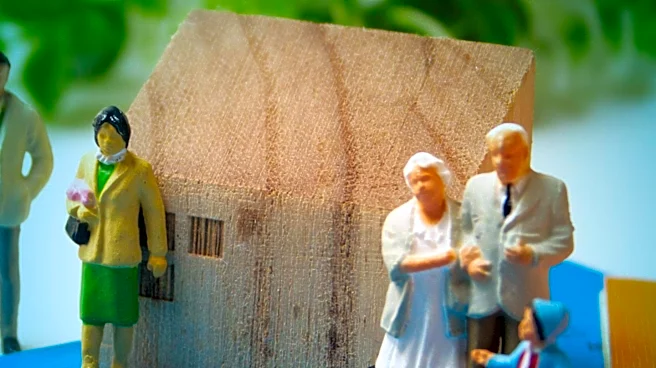
A family has embraced a 'mother-daughter' house arrangement, allowing them to live with and care for their grandmother, Mimi. This living situation was chosen by the mother before the birth of her child, prioritizing proximity to her own mother. The setup
includes a separate apartment for the grandmother, which has facilitated a close-knit family dynamic. Growing up, the presence of the grandmother provided the family with childcare support, saving time and money, and offering the child valuable time with her grandmother. As the grandmother aged, the family has been able to reciprocate the care, assisting with medical appointments and daily needs, especially after a stroke in 2015. This arrangement highlights the benefits of multigenerational living, providing support and companionship across different life stages.
Why It's Important?
This story underscores the growing trend and benefits of multigenerational living in the U.S., where families are increasingly opting to live together to provide mutual support. Such arrangements can alleviate the financial and logistical burdens of childcare and eldercare, offering emotional and practical benefits. The family's experience illustrates how living with extended family can create a supportive environment that benefits all members, from children to the elderly. This model can be particularly advantageous in a society where the cost of living and healthcare continues to rise, and where the need for reliable childcare and eldercare is paramount. It also reflects a cultural shift towards valuing familial bonds and intergenerational support systems.
What's Next?
As the grandmother continues to age, the family will likely face new challenges in providing care, potentially requiring additional resources or adjustments to their living situation. This could involve seeking external support services or modifying their home to better accommodate the grandmother's needs. The family's experience may inspire others to consider similar living arrangements, prompting discussions about housing policies and support systems that facilitate multigenerational living. Policymakers and community planners might explore ways to encourage and support such arrangements, recognizing their potential to enhance family well-being and reduce societal pressures on eldercare and childcare systems.