




What's Happening?
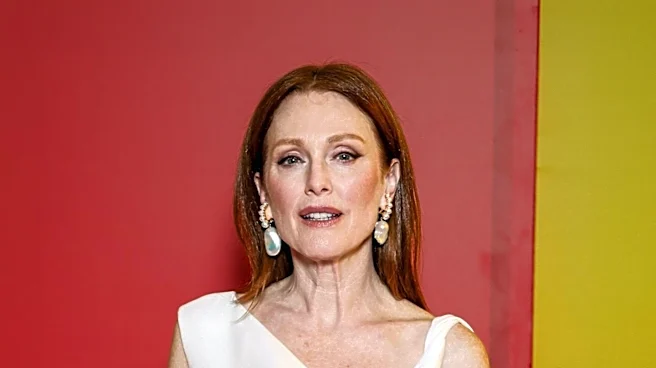
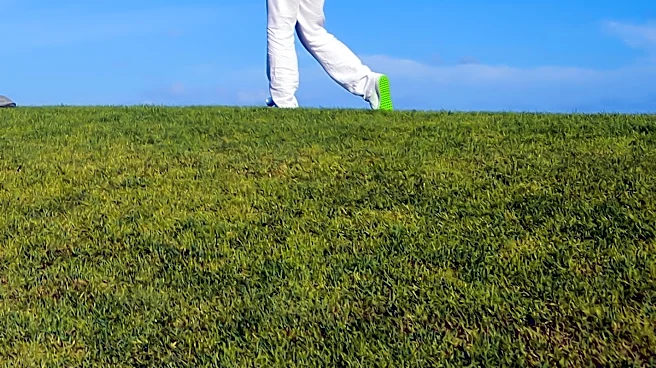
Julianne Moore, the acclaimed actress, has shared her unique fitness routine that includes walking backwards, particularly uphill, as a method to maintain her physical health. Moore revealed that this unconventional exercise was recommended by her trainer
and has been beneficial for her overall well-being. Walking backwards is not only a physical exercise but also offers psychological benefits by breaking routine and enhancing mental alertness. Studies have shown that walking backwards can improve balance, coordination, and proprioception, which is the body's ability to sense its position in space. Additionally, walking backwards on an incline can significantly activate the quadriceps muscles more than walking on a flat surface. This exercise is particularly beneficial for individuals with knee osteoarthritis, as it can reduce pain and improve functional ability.
Why It's Important?
The practice of walking backwards, as advocated by Julianne Moore, highlights an innovative approach to fitness that can be easily integrated into daily routines. This exercise is significant as it offers a low-impact method to enhance muscle strength and coordination, which is crucial for maintaining mobility and preventing injuries, especially in older adults. The broader implication of Moore's routine is the encouragement of diverse and adaptable fitness practices that can cater to different physical needs and preferences. By promoting such exercises, there is potential for a shift in public health strategies towards more inclusive and varied fitness programs that can accommodate a wider range of abilities and conditions.
What's Next?
As more people become aware of the benefits of walking backwards, fitness experts and trainers may begin to incorporate this exercise into broader workout regimens. This could lead to the development of specialized programs that focus on unconventional exercises to improve overall health and prevent age-related decline in physical abilities. Additionally, public health campaigns might start to emphasize the importance of varied physical activities, encouraging individuals to explore different forms of exercise that challenge both the body and mind.
Beyond the Headlines
The adoption of walking backwards as a fitness routine also touches on the cultural aspect of exercise, where traditional methods are often favored. This practice challenges conventional fitness norms and encourages individuals to think outside the box when it comes to maintaining health. It also underscores the importance of adaptability and innovation in personal health practices, which can lead to more sustainable and enjoyable fitness habits. As society continues to evolve, such unconventional methods may become more mainstream, reflecting a broader acceptance of diverse approaches to health and wellness.