




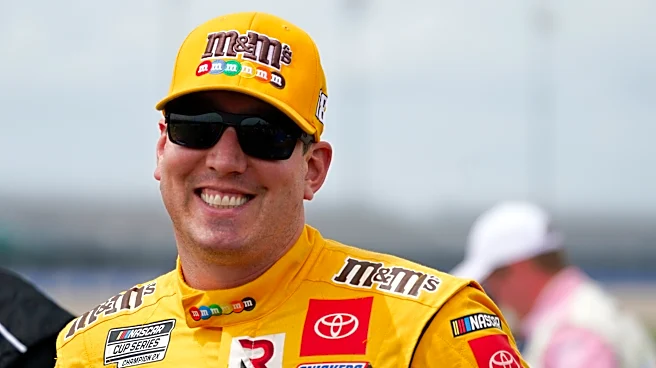


What's Happening?
Kyle Busch, a two-time NASCAR champion, passed away at the age of 41 after severe pneumonia progressed into sepsis. According to a statement from his family, Busch experienced rapid and overwhelming complications from the condition. Sepsis is a life-threatening
medical emergency where the body's response to infection causes damage to its own tissues and organs. Busch initially thought he had a sinus cold while racing at Watkins Glen and later became unresponsive while testing in a Chevrolet simulator. Despite his health issues, Busch continued to compete, winning a Trucks Series race and finishing 17th in the All-Star race. His unexpected death has prompted fellow drivers to reflect on the pressures of racing and the importance of health monitoring.
Why It's Important?
The death of Kyle Busch highlights the severe risks associated with sepsis, a condition that can arise from common infections like pneumonia. This incident underscores the importance of early detection and treatment of infections to prevent such fatal outcomes. In the racing community, Busch's passing serves as a stark reminder of the physical demands and health risks drivers face. It also raises awareness about the pressures athletes endure to compete, often at the expense of their health. Busch's legacy in NASCAR, with 234 wins across top series, marks him as one of the most successful drivers, and his death is a significant loss to the sport.
What's Next?
In honor of Kyle Busch, all 39 drivers in the upcoming race will display a black No. 8 decal on their cars. Austin Hill will replace Busch in the No. 33 car for the Coca-Cola 600 race. NASCAR and the racing community are likely to engage in discussions about health protocols and support systems for drivers. The temporary retirement of Busch's No. 8 car until his son is old enough to race indicates a long-term tribute to his legacy. This event may also prompt NASCAR to review its health and safety policies to better protect drivers.