






What's Happening?
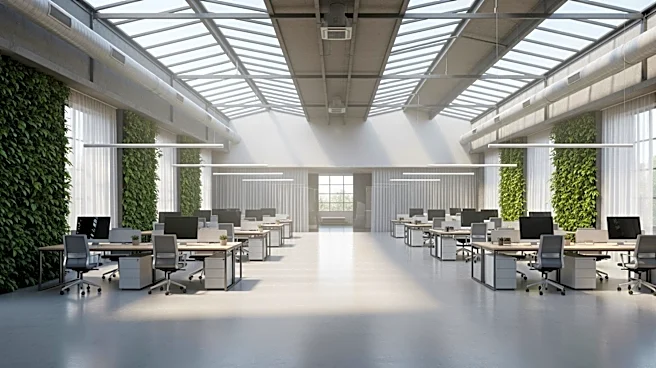
The logistics sector is undergoing a transformation in industrial workplace management, focusing on the long-term health of workers. This shift is driven by the adoption of biophilic design principles, which emphasize the use of natural materials and
ergonomic designs to reduce physical strain and improve air quality. The integration of AI-driven assistants and collaborative robots is becoming essential, helping to identify ergonomic risks and support workers rather than replace them. The transition from traditional materials like high-tension steel to lightweight synthetics is a key strategy in reducing repetitive strain injuries. Additionally, the implementation of circular economy principles is linking sustainability with occupational health, aiming to create environments that are both energy-efficient and conducive to worker wellbeing.
Why It's Important?
This evolution in industrial design is significant as it addresses the chronic health issues faced by workers in the logistics sector, such as repetitive strain injuries and physical fatigue. By prioritizing human-centric designs and sustainable practices, companies can enhance worker safety and productivity, ultimately leading to a more resilient supply chain. The focus on ergonomic and sustainable design not only benefits the workers but also aligns with global sustainability goals, potentially reducing healthcare costs and improving overall job satisfaction. This approach reflects a broader trend towards integrating health and wellness into workplace design, which could influence other industries to adopt similar practices.
What's Next?
As the logistics sector continues to embrace these changes, companies are likely to invest more in ergonomic audits and the development of safety protocols that prioritize worker health. The adoption of AI and collaborative robots will likely increase, providing real-time monitoring and support to workers. This could lead to a reduction in workplace injuries and an improvement in worker retention rates. Additionally, the focus on sustainable materials and practices may drive further innovation in industrial design, encouraging other sectors to follow suit. Stakeholders, including policymakers and industry leaders, may push for regulations that support these health-focused initiatives, further embedding them into standard industrial practices.
Beyond the Headlines
The shift towards biophilic and ergonomic design in industrial settings highlights a growing recognition of the importance of worker health and sustainability. This trend could lead to a cultural shift in how industries view their workforce, emphasizing the value of human resources as a finite and essential component of business operations. The integration of technology in supporting worker health also raises ethical considerations regarding the balance between efficiency and human wellbeing. As industries continue to evolve, the challenge will be to maintain this balance while ensuring that technological advancements do not compromise the health and safety of workers.