



What's Happening?
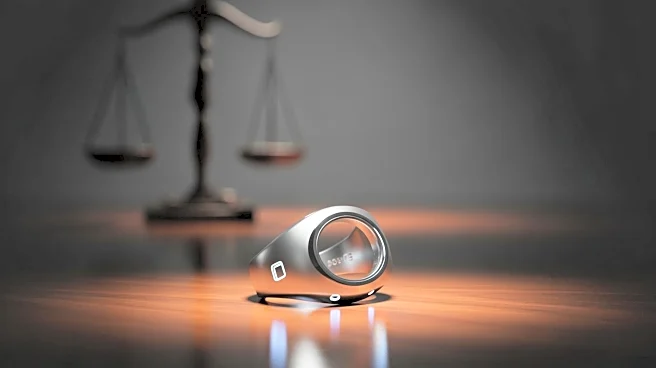
The US International Trade Commission has ruled in favor of Oura in a patent infringement case against competitors RingConn and Ultrahuman, leading to a ban on importing their smart rings into the US. The ruling is based on a patent that covers a specific hardware design for smart rings. This decision has impacted Ultrahuman's plans to expand its US manufacturing operations. Oura's victory follows a series of legal disputes over smart ring patents, with the company previously reaching licensing agreements with other manufacturers. The ruling highlights ongoing challenges in the smart ring market, where patent disputes can significantly affect market dynamics and competition.
Why It's Important?
The ruling underscores the importance of intellectual property rights
in the tech industry, particularly in the competitive market of wearable technology. It highlights the potential for patent disputes to disrupt business operations and market access for companies. For consumers, this could mean reduced availability of smart ring options in the US market, potentially affecting prices and innovation. The decision also emphasizes the need for companies to navigate complex patent landscapes carefully to avoid legal challenges that can hinder their market presence.
What's Next?
Following the ruling, affected companies like Ultrahuman may seek to negotiate licensing agreements with Oura to resume their US operations. The decision may prompt other smart ring manufacturers to review their product designs to ensure compliance with existing patents. The industry could see increased legal scrutiny and potential adjustments in product development strategies to avoid similar disputes. Companies may also explore alternative markets or focus on innovation to differentiate their products within the constraints of existing patents.