



What's Happening?
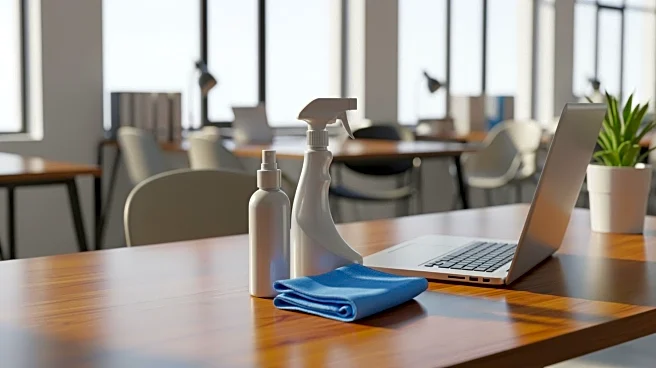
Qasar Younis, CEO of Applied Intuition, a company valued at $15 billion, has implemented a unique office culture where employees are responsible for cleaning their own workspaces. This practice includes a weekly 'cleaning zen' period where staff members
clean the office themselves, rather than relying on janitorial services. Employees are also required to remove their shoes at the entrance. Younis attributes this approach to his experiences in Japan, where students clean their own classrooms, fostering humility and awareness. Applied Intuition specializes in AI software for autonomous vehicles and defense programs, and Younis believes that the discipline of maintaining a clean workspace translates into better software development.
Why It's Important?
The approach taken by Applied Intuition highlights a shift in corporate culture within Silicon Valley, where traditional perks like free lunches are being replaced by practices that promote personal responsibility and mindfulness. This method could influence other tech companies to adopt similar practices, potentially leading to a broader cultural shift in the industry. By emphasizing cleanliness and order, Younis aims to instill a sense of discipline and focus among employees, which he believes is directly linked to the quality of their work. This could set a precedent for how tech companies balance employee benefits with productivity and innovation.
What's Next?
As Applied Intuition continues to grow, it will be interesting to see if this practice of employee-driven cleanliness is sustainable and if it will be adopted by other companies in the tech industry. The company's success could inspire other startups to reevaluate their own office cultures and consider the potential benefits of similar practices. Additionally, the impact of this approach on employee satisfaction and retention will be a key factor to monitor, as it could influence future hiring and management strategies within the industry.
Beyond the Headlines
The practice of employees cleaning their own workspaces raises questions about the balance between fostering a positive work environment and maintaining high productivity levels. It also touches on cultural influences in corporate settings, as Younis draws inspiration from Japanese practices. This approach may challenge traditional views on workplace hierarchy and the role of employees in maintaining their work environment. Furthermore, it could lead to discussions about the environmental impact of reduced reliance on cleaning services and the potential for cost savings.