





What's Happening?
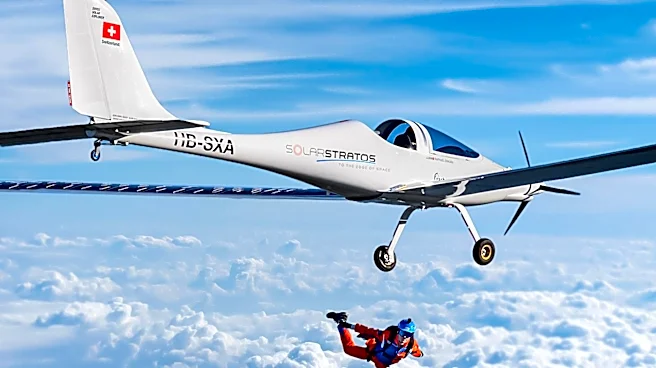
Helios Horizon has successfully completed a test flight of an electric airplane powered by solid-state batteries. The flight, which included a human pilot, marks a significant milestone in the development of electric aviation technology. The aircraft,
an experimental concept demonstrator, is not intended for commercial operation but serves as a platform for testing new technologies. The plane, measuring 25 feet in length with a 61-foot wingspan, flew at speeds of approximately 60 miles per hour during the test. The solid-state batteries used in the flight offer several advantages over traditional lithium-ion cells, including higher energy density, faster charging times, and improved safety. These batteries can be charged to 80% in less than 15 minutes and are more stable under high temperatures, reducing the risk of combustion. Helios Horizon assembled the battery packs using commercially available solid-state cells, with the total cost of the battery pack being significantly higher than conventional options. The successful test flight paves the way for further testing and potential commercial certification of solid-state batteries in the coming years.
Why It's Important?
The successful test flight of an electric airplane using solid-state batteries represents a significant advancement in aviation technology. Solid-state batteries offer higher energy density and improved safety, which are crucial for the development of electric aircraft. This technology could lead to more efficient and environmentally friendly air travel, reducing reliance on fossil fuels and decreasing carbon emissions. The ability to charge these batteries quickly also enhances operational efficiency, potentially transforming the aviation industry. As the technology becomes more widely available and adopted, it could lead to lower costs and increased accessibility for electric aviation. This development is particularly important as the industry seeks sustainable solutions to meet growing demands for air travel while addressing environmental concerns.
What's Next?
Following the successful test flight, Helios Horizon plans to continue testing and expanding the operational envelope of the electric airplane. The company aims to resume stratospheric envelope expansion in the fall, which will involve more extensive testing at higher altitudes and speeds. The commercial certification of solid-state batteries for use in electric planes is anticipated within the next 2-3 years, depending on advancements by battery manufacturers and regulatory approvals. As the technology progresses, it is expected that costs will decrease, making electric aviation more accessible. Stakeholders in the aviation industry, including manufacturers and regulatory bodies, will likely focus on ensuring the safety and reliability of these new technologies as they move towards commercial implementation.