



What's Happening?
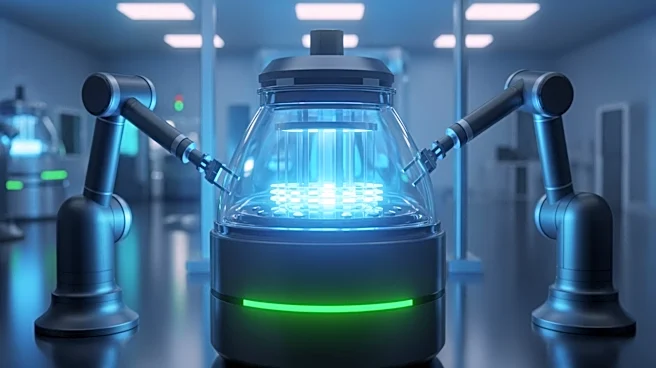
TScan Therapeutics and Cellares have announced a collaboration to evaluate the automated manufacturing of TSC-101, a TCR-T therapy candidate for treating hematologic malignancies. This partnership will utilize Cellares' automated platforms, Cell Shuttle
and Cell Q, to streamline the production process, aiming to make it more scalable and cost-effective. The initiative is part of TScan's efforts to prepare for a pivotal trial of TSC-101, expected to begin in the second quarter of 2026, targeting patients with acute myeloid leukemia and myelodysplastic syndromes.
Why It's Important?
The collaboration between TScan and Cellares highlights the growing trend towards automation in cell therapy manufacturing. By reducing process variability and labor intensity, automated systems can potentially lower production costs and increase the accessibility of advanced therapies. This development is crucial for meeting the rising demand for personalized cancer treatments and could significantly impact the biotechnology sector by setting new standards for efficiency and scalability in therapeutic manufacturing.
What's Next?
As TScan moves forward with its pivotal trial, the success of this automated manufacturing approach could influence future strategies in the biotech industry. If proven effective, it may lead to broader adoption of automated systems across various therapeutic areas, potentially accelerating the development and commercialization of cell therapies. Regulatory bodies may also need to adapt to these technological advancements, ensuring that safety and efficacy standards are maintained.
Beyond the Headlines
The shift towards automation in cell therapy manufacturing raises questions about the future workforce in the biotech industry. As manual processes are reduced, there may be a need for new skill sets focused on managing and optimizing automated systems. Additionally, the ethical implications of increased automation, such as data security and patient privacy, will need to be addressed as these technologies become more prevalent.