






What's Happening?
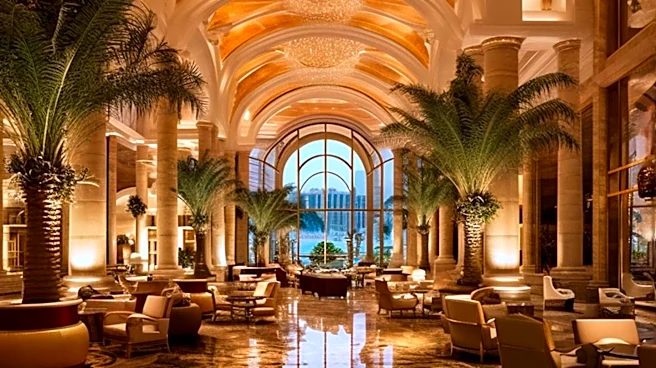
Luxury hotel bars across the United States are increasingly offering high-end mocktails as a response to changing consumer preferences, particularly among younger generations. This shift is driven by a growing trend towards sobriety and health consciousness.
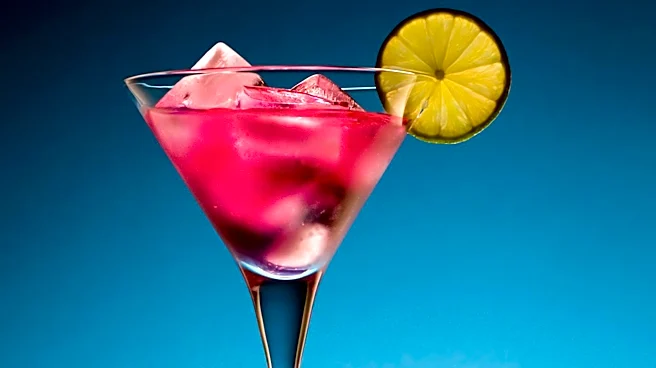
According to a 2024 study by IWSR, the non-alcoholic beverage market is projected to grow at a 7% compound annual growth rate through 2028, adding an estimated $4 billion in value globally. In the U.S., 41% of Americans reported actively trying to drink less in 2025, a 7% increase from the previous year. Hotel bars are capitalizing on this trend by offering sophisticated non-alcoholic options that rival traditional cocktails in complexity and presentation. This includes offerings like the Bohemian Chic at Wynn Las Vegas, a zero-proof Paloma made with tamarind, ginger, lime, and Fever-Tree Pink Grapefruit Soda.
Why It's Important?
The rise of high-end mocktails in hotel bars reflects broader societal shifts towards health and wellness, particularly among Gen Z and millennials. These generations are drinking less alcohol, with Gen Z consuming 20% less than millennials did at the same age. This trend is significant for the hospitality industry, as it necessitates a reevaluation of beverage offerings to meet the expectations of a diverse clientele. Non-alcoholic beverages offer higher profit margins compared to traditional cocktails, making them an attractive option for businesses. The shift also highlights a growing demand for inclusivity in social settings, ensuring that non-drinkers receive the same level of service and experience as those who consume alcohol.
What's Next?
As the demand for non-alcoholic beverages continues to grow, hotel bars are likely to expand and refine their mocktail offerings. This includes incorporating advanced mixology techniques and premium non-alcoholic spirits to create complex and visually appealing drinks. The trend is expected to influence event planning and hospitality services, with more venues offering comprehensive non-alcoholic menus. The focus on inclusivity and health-conscious options is set to become a standard in the industry, driven by the purchasing power and preferences of younger generations.
Beyond the Headlines
The shift towards high-end mocktails in hotel bars also raises questions about the cultural significance of alcohol in social settings. As more people choose sobriety, the traditional association of alcohol with celebration and socialization is being redefined. This change could lead to a broader acceptance of non-drinking lifestyles and a reevaluation of social norms surrounding alcohol consumption. Additionally, the trend highlights the potential for innovation in the beverage industry, as businesses explore new flavors and presentation techniques to cater to evolving consumer tastes.